Selective vs. Clearcutting
AJ Logging’s Approach to Responsible Forestry
At AJ Logging, we believe timber harvesting should never come at the cost of forest health. With over 20 years of experience and deep Amish roots, our team balances productivity with sustainability to ensure Ohio’s forests remain healthy for generations.
Whether it’s selective logging or clearcutting, we bring honesty, hard work, and respect to every project—values passed down from our Amish heritage.
Clearcutting Done Responsibly
What Is Clearcutting?
Clearcutting is the removal of nearly all trees in a specific area at once. It’s often chosen when landowners want to maximize short-term yield or regenerate species that thrive in full sunlight, such as oak, pine, or birch.
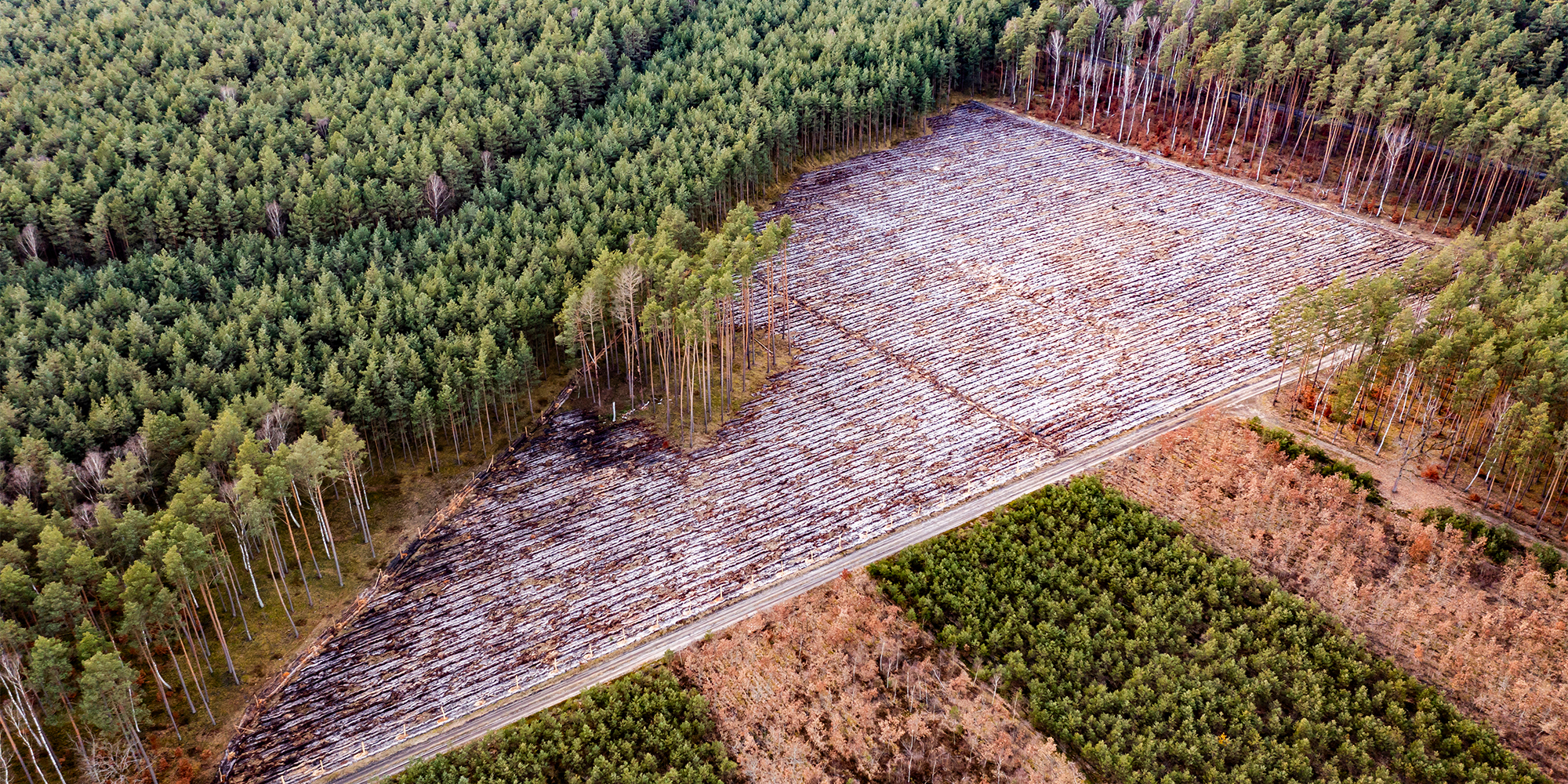
Benefits:
-
High timber volume harvested quickly
-
Efficient for replanting or regenerating light-loving species
-
Creates habitat for early-successional wildlife
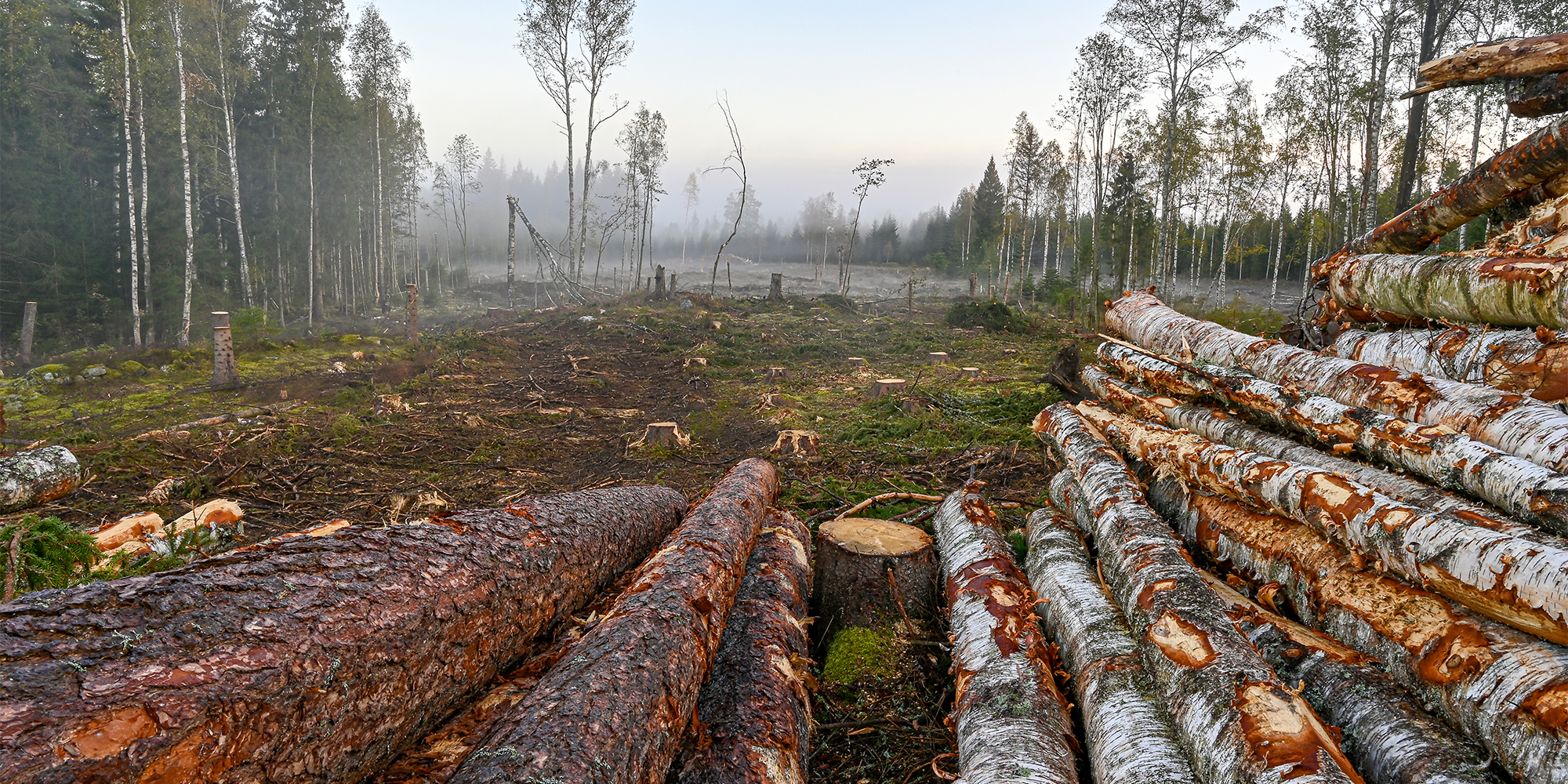
Considerations:
-
Exposes soil and requires strong erosion control
-
Removes canopy until regrowth occurs
-
Longer regrowth time before the next harvest
Types of Clearcutting Practices
Depending on the trees and land, foresters may use different clearcutting methods:
-
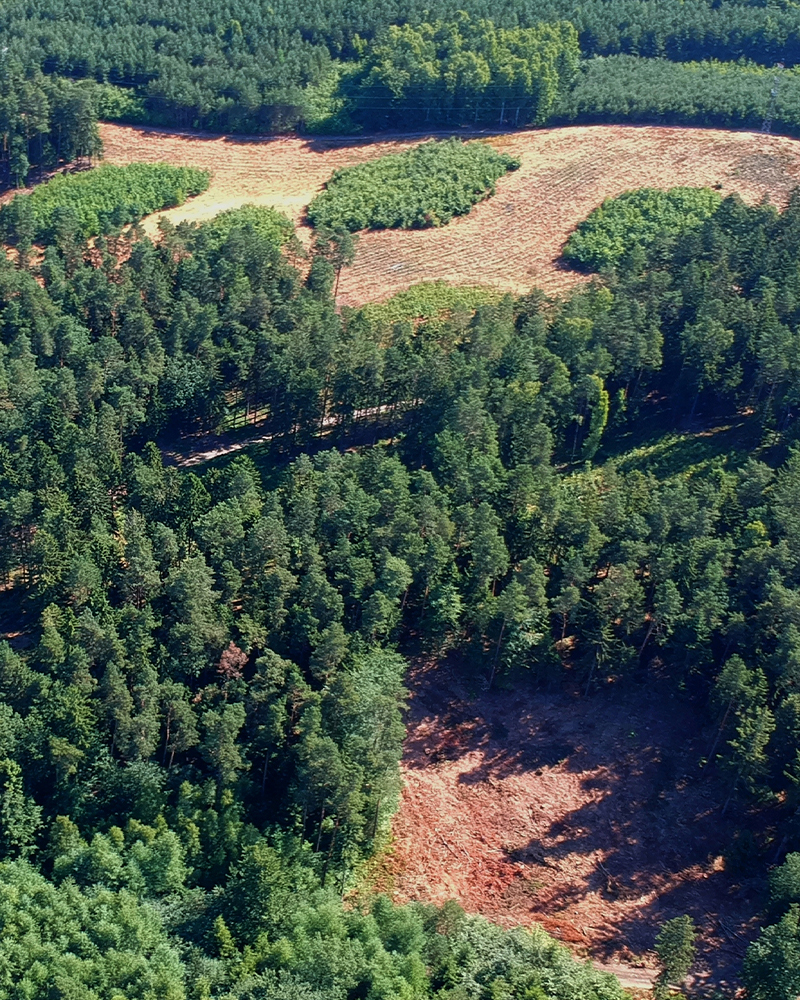
Patch Clearcutting – harvesting in smaller patches spread throughout a forest.
-
Strip Clearcutting – cutting in narrow rows, arranged to minimize wind damage to remaining trees.
-
Reserve Clearcutting – leaving certain trees behind as shelter for wildlife or future seed sources.
-
Slash-and-Burn – cutting and burning forests, often to convert land to farming or construction use.
At AJ Logging, we never use a one-size-fits-all approach. When clearcutting is the right choice, we carefully select the method and always include erosion controls, stream buffers, and reforestation plans to protect your land.
Real Experiences. Real Results.
Improve the Health and Earnings of Your Property
Selective Cuts for Long-Term Forest Health
What Is Selective Logging?
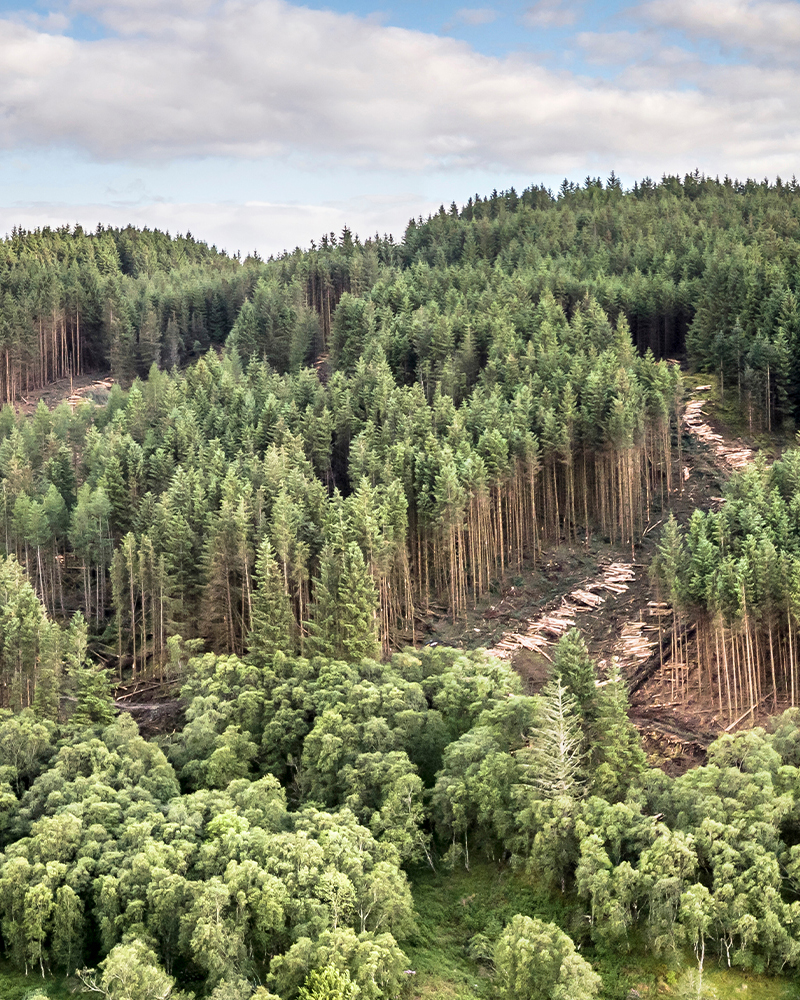
Selective logging, or single-tree selection, involves removing specific trees—usually mature or lower-quality ones—while leaving the rest of the forest intact. This method promotes an uneven-aged forest with continuous cover.
Benefits:
-
Maintains long-term forest health and cover
-
Allows for repeat harvests over time
-
Protects wildlife habitat and biodiversity
-
Minimizes visual and environmental impact
The key difference between selective cutting and clearcutting methods is scale. Any form of clearcutting results in larger areas of removal, while selective cutting does far less to disrupt the forest’s natural habitat. Of course, wildlife and vegetation are affected any time a tree falls—but selective logging ensures the impact is minimal, preserving as much of the ecosystem as possible.
Our Amish heritage has taught us patience and respect for the land. With selective logging, we ensure only the right trees are harvested, allowing younger trees to thrive for the future.

Our Reputation Is Built on Honesty
Let’s Talk About Your Timber
Whether you’re interested in selective logging for long-term forest health or considering a clearcut for regeneration, AJ Logging is here to guide you every step of the way.

Our Commitment to Sustainability
At AJ Logging, we follow Ohio’s strict forestry guidelines, including:
-
Best Management Practices (BMPs): erosion and water protection
-
Streamside Buffers: safeguarding waterways with uncut tree zones
-
Seasonal Timing: avoiding nesting and roosting seasons for wildlife
-
Regeneration Plans: ensuring healthy new growth after every harvest
We don’t just harvest timber—we help your forest grow stronger.

Why Choose AJ Logging?
We know logging is more than cutting trees—it’s about caring for the land. Owner Tom Miller, a professional forester, built AJ Logging around three values:
-
Honesty – Fair pricing and straightforward advice
-
Hard Work – A work ethic rooted in our Amish upbringing
-
Respect – For you, your property, and the forest itself
When you partner with us, you get a logging crew that treats your land as if it were our own.
Helpful Answers for Landowners
Frequently Asked Questions
Learn more about forestry management, timber harvesting, tree removal, and how we help Ohio landowners make informed decisions about their wooded property.
How many acres do I need for forestry management or timber harvesting?
We typically work with properties that have 10 acres or more of wooded land. Smaller parcels may still be considered if they have high-quality timber, but 10+ wooded acres is usually where a forestry evaluation starts to make sense.
Do you buy one or two trees from homeowners?
Usually, no. Removing one or two trees generally does not work as a timber purchase because of the cost of moving logging equipment and crews. If a tree is near a house, building, driveway, or power line, it is usually handled as a tree service job, which means there is typically a removal cost.
What should I do if I have fewer than 10 trees I want removed?
For smaller tree removal requests, we may ask for photos of the trees, the surrounding area, and access points before discussing the project. This helps us determine whether the job is practical for our crews.
What is forestry management?
Forestry management is the process of evaluating a wooded property, identifying which trees should be harvested, which should be left, and how to improve the long-term health and value of the woods. We walk the property with landowners and help them make informed decisions about harvesting, growth, habitat, and future timber value.
How often should my woods be evaluated?
A wooded property should generally be reevaluated about every 5 years. Even if a full harvest is not needed, trees can become unhealthy, overmature, damaged, or ready for selective cutting within that time.
When is timber ready to harvest?
Many woods are worth evaluating if they have not been harvested in 15 to 20 years. We look at tree size, health, species, market value, and long-term growth potential before recommending whether harvesting makes sense.
Will you help me decide what trees to cut and what trees to leave?
Yes. We help landowners understand which trees may be ready for harvest, which lower-value or unhealthy trees may be limiting growth, and which trees should remain to support the long-term value of the woods.
Do you pay for lower-grade timber?
Yes, in many cases. We have markets for both high-quality furniture-grade timber and some lower-grade species. Removing lower-value trees can also improve growing conditions for better trees over time.
Do you work with hunting properties?
Yes. We work with landowners and deer hunters who want to improve habitat, create trails, add food plots, or shape a property for hunting use. These projects may involve heavier cutting than traditional forestry management, depending on the landowner’s goals.
Can timber harvesting improve deer habitat?
Yes. Selective or heavier harvesting can create more sunlight, cover, trails, and food plot opportunities. We discuss the tradeoffs with landowners so they understand how habitat goals may differ from long-term timber management goals.
Is forestry management a one-time service?
It depends on your needs. Some landowners work with us once for a harvest or hunting-property project. Others stay in touch with us over many years and call back when the woods are ready to be reevaluated.
Can I visit the mill or see the process?
Visits may be available by appointment only. Because our mill has active equipment and safety concerns, it is not open for walk-ins. Some landowners may be able to see parts of the process after their logs arrive at our yard.
Do you have a public office or showroom?
We have an office at the mill, but visits should be scheduled by appointment. For everyone’s safety, we ask that visitors contact us before coming to the property.
What areas do you serve?
We serve landowners throughout our Ohio service area. Contact us with your property location, and we can let you know whether your land is within the areas we currently serve.
What information should I provide when requesting a quote?
For the best response, please include your property location, approximate wooded acreage, number of trees involved if it is a smaller project, photos if you have fewer than 10 trees, your goals for the property, and any access concerns for equipment.
Helpful goals to mention include timber sale, woods improvement, deer habitat, trails, food plots, or tree removal.
How many acres do you manage?
We manage 2,000+ acres.
Why Landowners Choose AJ Logging
Our Service Area
We service the entire state of Ohio. Some of the cities we frequently serve include: Marietta, Mansfield, Zanesville, Medina, Cuyahoga Falls, North Royalton, Wooster, Millersburg, Canton, New Philadelphia, and surrounding areas.
Our Service Area
We service the entire state of Ohio. Some of the cities we frequently serve include: Marietta, Mansfield, Zanesville, Medina, Cuyahoga Falls, North Royalton, Wooster, Millersburg, Canton, New Philadelphia, and surrounding areas.

Your Trusted Forestry Management
Phone: 330-390-2094
Based in Holmesville, Ohio