Sustainable Forestry for Ohio Woodlands
For Long-Term Woodland Health
Support healthier growth, better habitat, and a more balanced woodland with a long-term management approach.
Managing Your Woodland Acreage
What Sustainable Forestry Means for Your Woods
Sustainable forestry is a practical, long-term approach to woodland care. Instead of looking at your property only for what can be cut right now, think about what your woods can become over the next 10, 20, or 30 years. The goal is to keep the forest working as a healthy system while still helping the landowner benefit from it.
This can be done by improving tree spacing, encouraging desirable species, protecting younger growth, and planning harvests with the future in mind. It also means paying attention to water movement, erosion risks, wildlife needs, and the overall condition of the stand before any cutting begins. These long-term plans allow landowners to increase economic value while also protecting water quality, habitat, and the long-term health of the land.
For many landowners, sustainable forestry is the difference between simply removing trees and truly managing woodland acreage well.
Why Sustainable Forestry Matters
Sustainable forestry helps woodlands stay healthier, more balanced, and more productive over time. With thoughtful management, your acreage can support stronger regrowth, better wildlife habitat, and greater long-term value.

Healthier regrowth
Selective cutting gives stronger trees more room to grow and supports the next generation of the woodland.

Better wildlife habitat
A well-managed woodland can create better cover, food sources, and habitat for wildlife.

Stronger woodland balance
Sustainable forestry supports a healthier mix of growth, habitat, and long-term woodland health.
More long-term value from your acreage
Thoughtful woodland management can protect future harvest potential and improve long-term property value.
A Reputation Built on Respect for the Land
Feedback from Ohio Woodland Owners
Above & Beyond
“John does an excellent job and he is very particular about how he cuts the trees. He goes above and beyond by taking out other trees just to clean up the woods and to help other trees grow better. John and his crew left the area very cleaned up when they were done.”
Dwayne Steiner
Courteous & Respectful
“My experience working with Mike (owner) was very positive. They do an excellent job, are courteous and respectful of the property and structures they have to work around. Easy to deal with and accommodating the scheduling of the work. I highly recommend A&J for your property needs.”
Paul F Haggerty
Would Love To Have Him Back
“John did an excellent job. He did a fantastic job cleaning up and was willing to do anything I asked of him. I have no complaints whatsoever and I would love to have him back!”
Jeff Reidenbach
What to improve, what to protect, and what steps to take
Sustainable Forestry Practices That Help You Make the Most of Woodland Acreage
Woodland evaluations and management planning
Every successful forestry decision starts with understanding what is on the property. A woodland evaluation helps identify tree species, timber quality, problem areas, access points, and overall forest condition. From there, a practical management plan can outline what to improve, what to protect, and what steps make sense for the acreage. This matches the stewardship-plan approach described by the U.S. Forest Service and aligns closely with AJ Logging’s current woodland evaluation and planning services.
Selective cutting and timber stand improvement
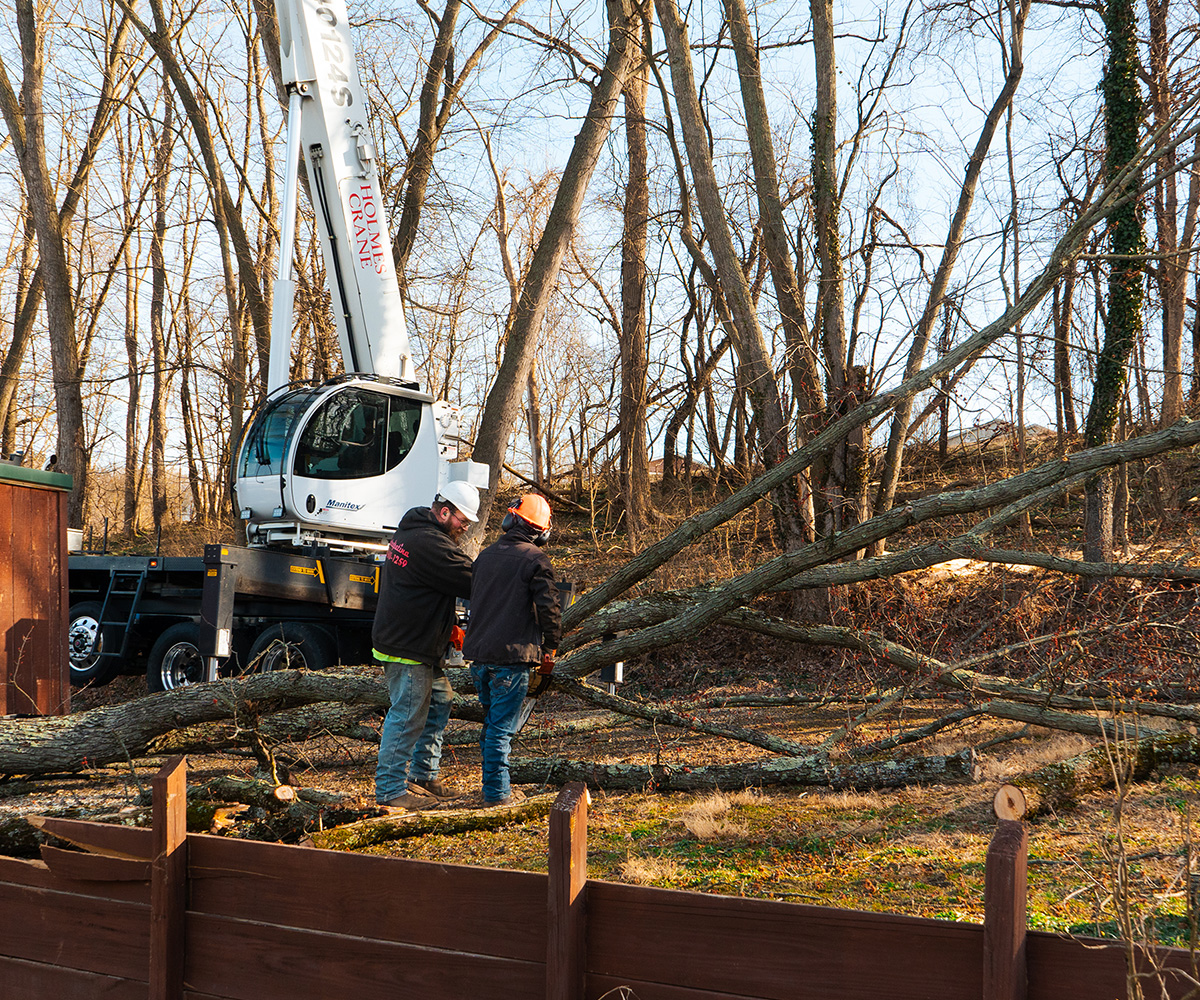
Not every tree should be cut, and not every tree should stay. Selective cutting and timber stand improvement can remove low-quality, overcrowded, damaged, or invasive trees so better trees have more room and resources. AJ Logging already positions these services as a way to improve forest health, encourage stronger growth, and protect future timber value.
Regrowth and regeneration planning
Healthy woods should be set up for what comes next. Regeneration planning looks at how younger trees will respond after thinning or harvest, whether desirable species have the light they need, and what conditions are needed for successful future growth. In many cases, the right harvest can help the next stand establish more successfully, but it takes planning to make sure that happens.
Wildlife habitat retention
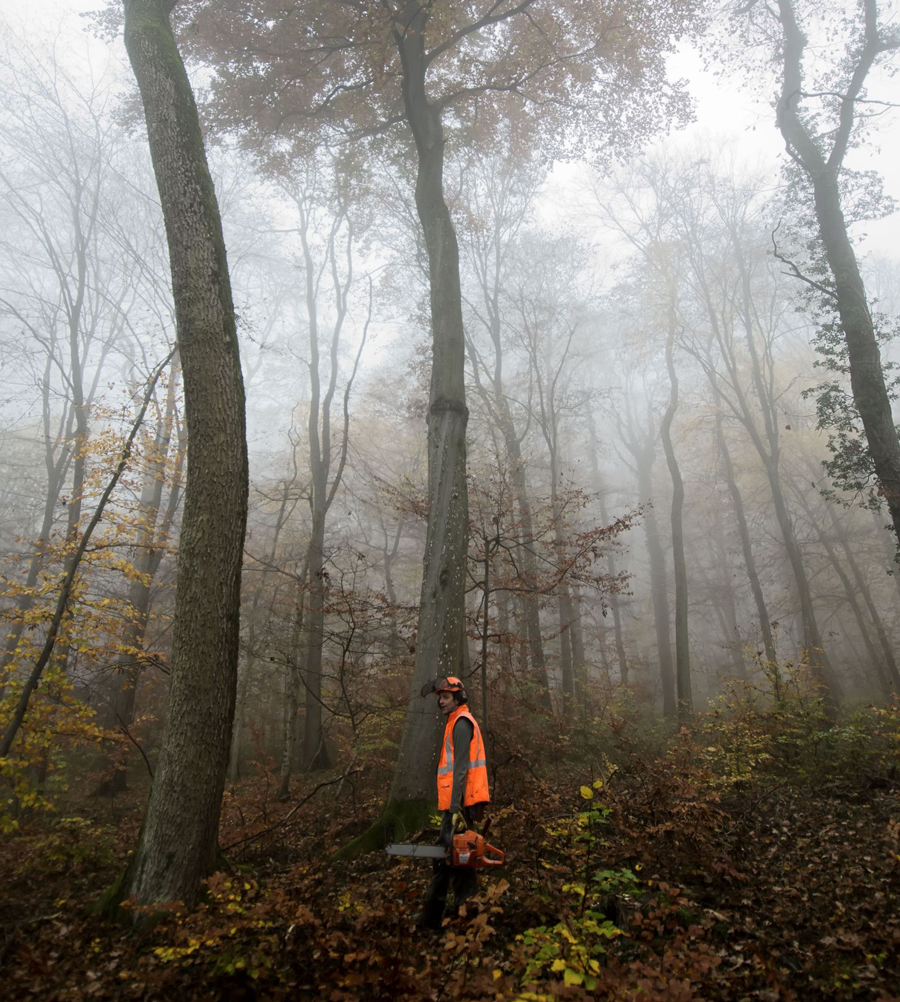
Good forestry is also about what stays behind. Keeping key habitat elements such as den trees, mast-producing trees, protected areas, and useful ground cover can help maintain woodland balance during and after a harvest. Retention-focused forestry research supports the idea that keeping meaningful structure in the woods can help support biodiversity and ecological function.
Soil, water, and erosion protection
One of the most important parts of sustainable forestry is how the work is done. Ohio’s forestry BMP guidance covers pre-harvest planning, streamside management zones, skid trails, stream crossings, maintenance, and sale closing. That matters because protecting soil and water is a major part of keeping woodland acreage healthy after the job is finished.
Long-term monitoring
Sustainable forestry is not a one-time idea. Woodland conditions change over time. Storm damage, invasive growth, weak regeneration, or shifting stand conditions can all affect what your woods need next. Long-term thinking helps landowners respond early and make better decisions over time.
Making Better Use of Your Woodland
How Forestry Management Helps Landowners Make the Most of Their Property
Your woods can do more than just sit untouched. With the right forestry management approach, woodland acreage can become healthier, more valuable, and easier to plan for. Instead of guessing what should happen next, you can work from a clear understanding of what your woods need now and what will help them stay productive later.
For some landowners, that means improving future timber potential. For others, it means cleaning up an overcrowded stand, protecting wildlife activity, reducing stress on better trees, or making the property more attractive and useful as a whole. Sustainable forestry helps connect those goals to real action.
The biggest benefit is clarity. When your woodland is evaluated properly and managed with a long-term view, you are in a better position to protect what matters and improve what is holding the property back.
Our Forestry Management Process
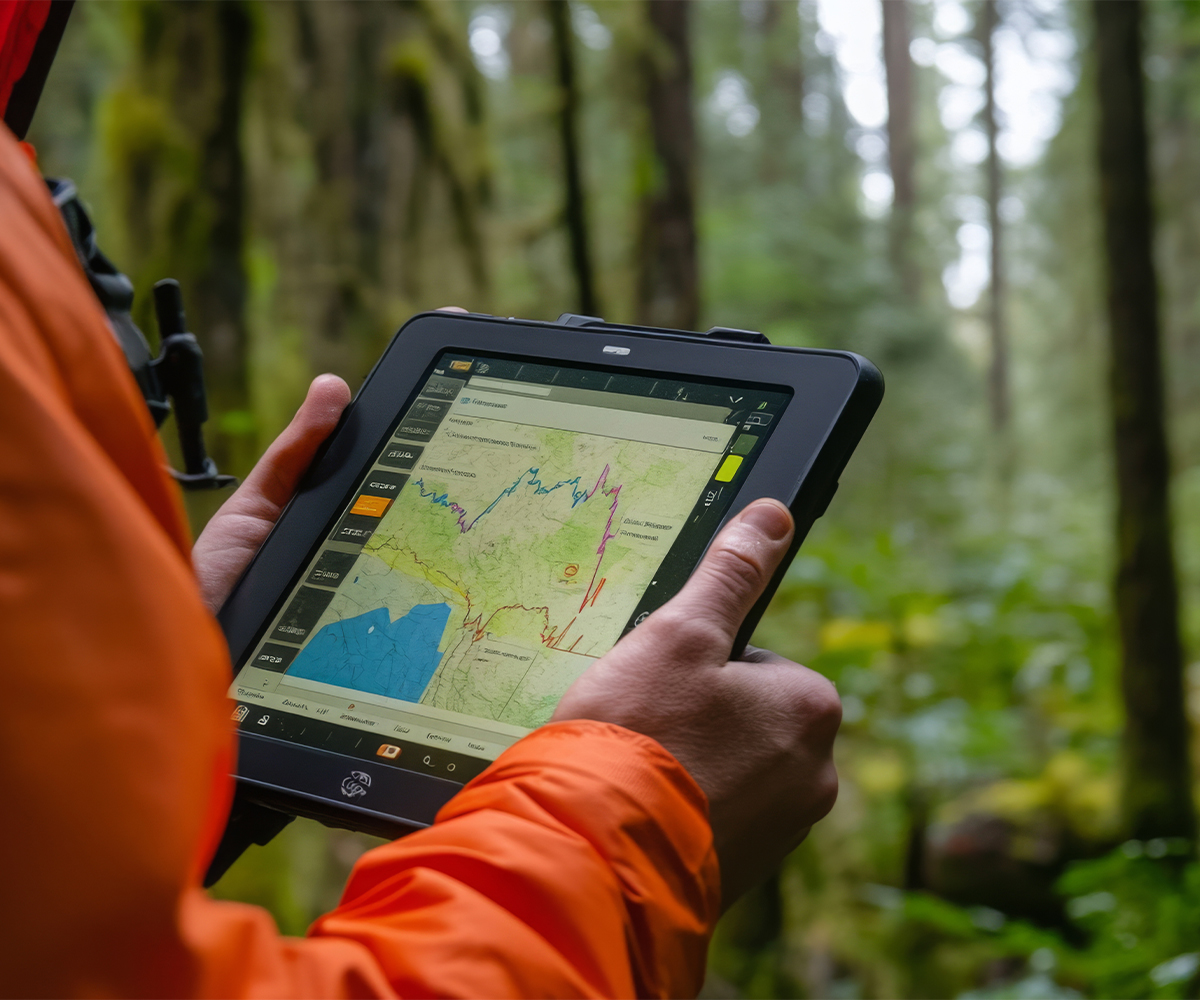
On-site woodland evaluation
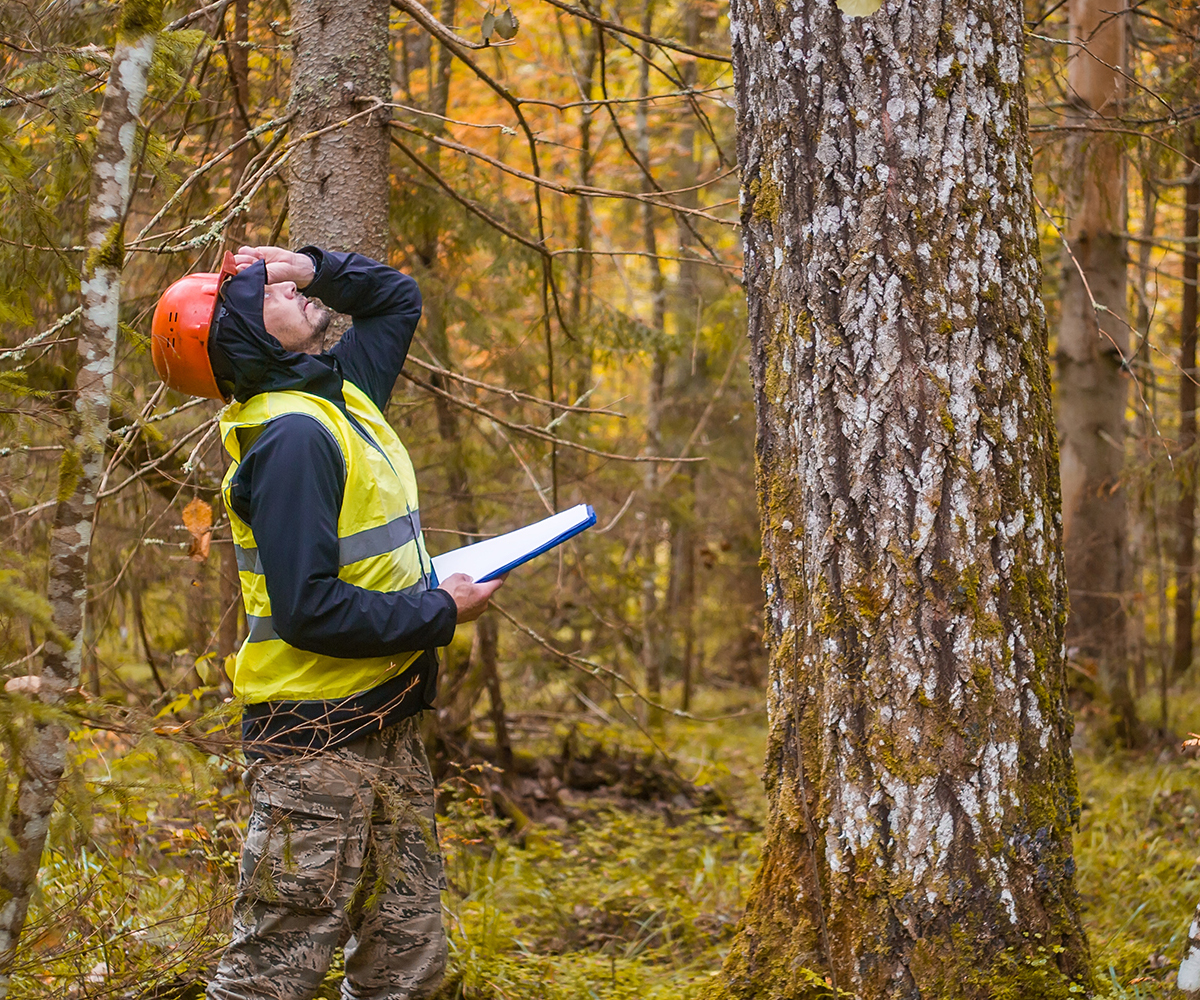
We start by walking the property and looking at the condition of the woods. That includes the tree mix, stand density, timber quality, problem areas, and what the acreage may need to improve long-term performance.
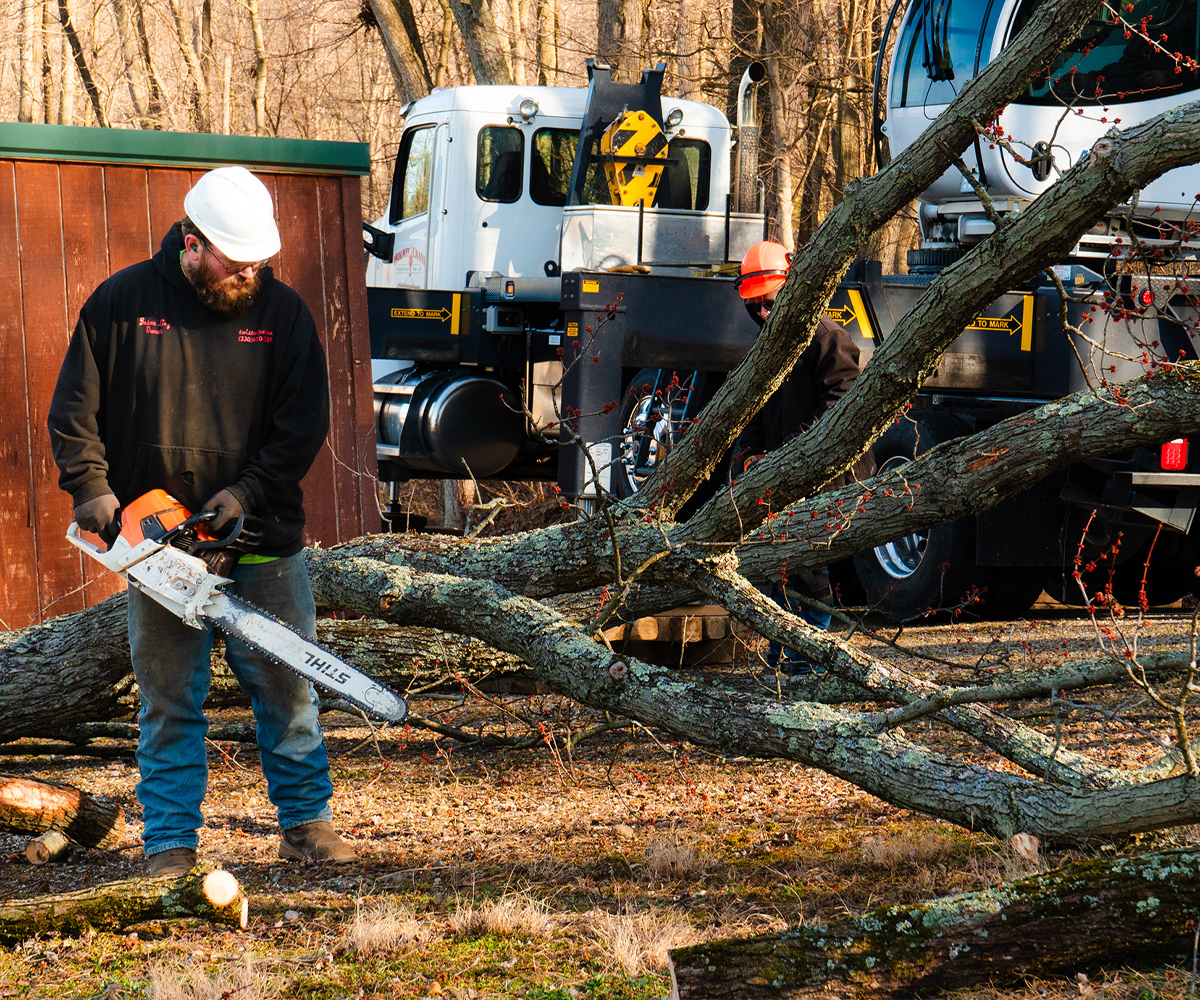
Practical management plan
After the evaluation, we can help identify what makes the most sense for your property. That may include selective cutting, timber stand improvement, planning for regrowth, or guidance on how to move forward without overcutting the stand.
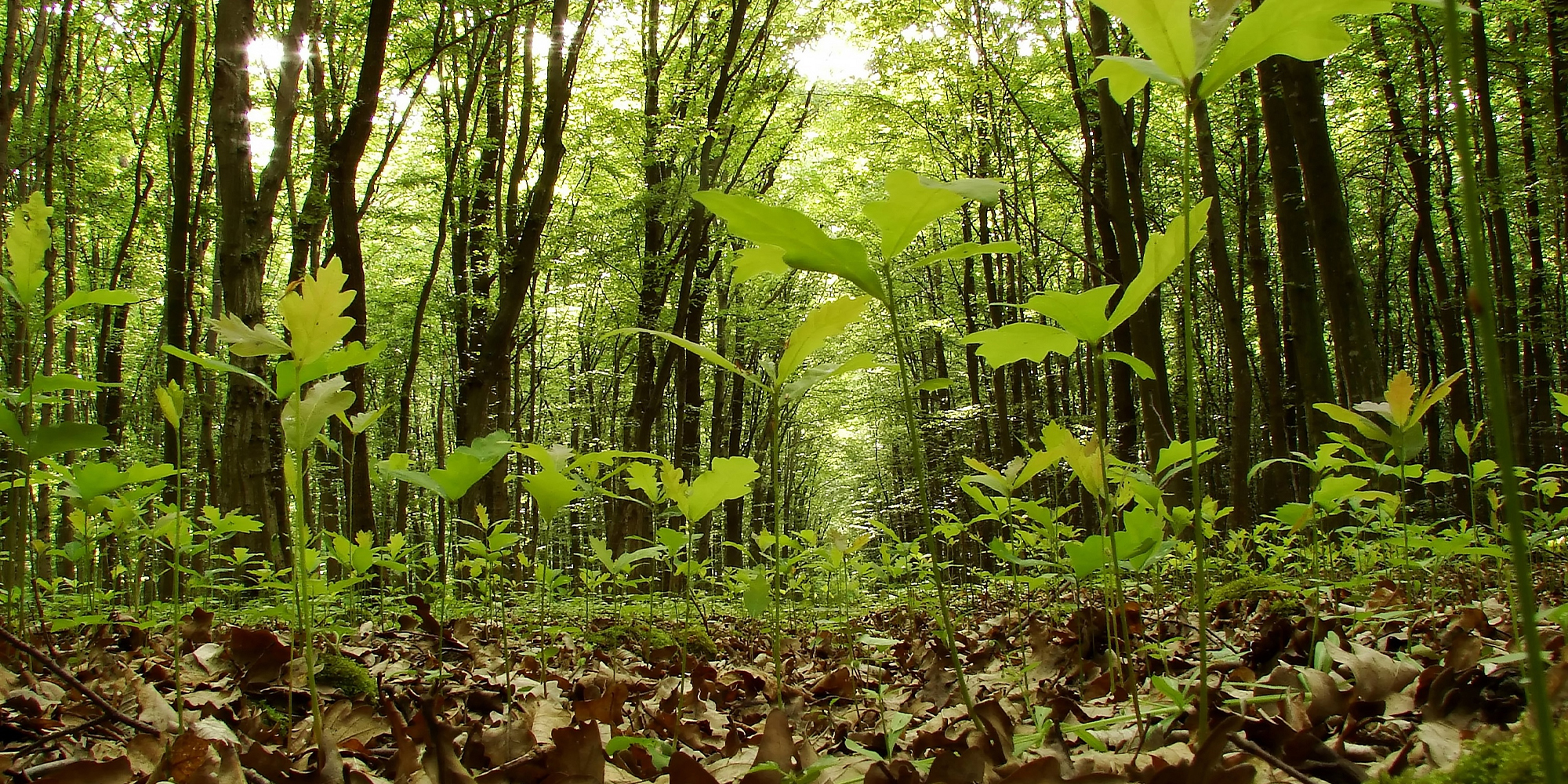
Stewardship-focused work
The goal is to improve the woodland, not just remove trees. That means paying attention to the future condition of the woods, the remaining stand, and the long-term benefit to the landowner.
Sustainable Forestry Supports More Than Timber
A well-managed woodland can support a lot at once. It can provide healthier growing conditions, create better habitat, reduce avoidable stress on the stand, and improve the long-term usefulness of the property. That is why sustainable forestry is often less about one single outcome and more about making the whole woodland work better together.
Sustainable forestry should be tied to management planning, water protection, biodiversity, and long-term accountability. Even when a landowner is not pursuing certification, those priorities still provide a strong model for responsible woodland care.

Let’s Talk About the Future of Your Woods
Take the Next Step Toward Healthier Woods
Get Guidance for Long-Term Woodland Stewardship
Healthy woods do not happen by accident. They improve with smart planning, careful cutting, and long-term stewardship. If you want to support regrowth, protect wildlife habitat, and make better use of your woodland acreage, AJ Logging can help you take the next step.
Answers to Common Woodland Management Questions
Frequently Asked Questions
What is sustainable forestry?
Sustainable forestry is the long-term care of woodland acreage in a way that supports regrowth, protects important natural features, and keeps the forest productive and healthy for the future.
Does sustainable forestry mean no trees can be cut?
No. In many cases, sustainable forestry includes selective harvesting or thinning. The difference is that the work is guided by forest health, future growth, and overall woodland balance instead of short-term removal alone.
How does forestry management help wildlife habitat?
Thoughtful woodland management can improve food sources, cover, light conditions, and stand diversity. Keeping key habitat features during harvest can also help reduce disruption and support biodiversity.
Why does erosion protection matter during forestry work?
Poorly planned access, trail layout, or stream crossings can damage soil and water quality. Ohio BMP guidance specifically addresses these areas because protecting the ground and water is part of responsible forestry work.
How do I know what my woods need?
That usually starts with an on-site woodland evaluation. Looking at the stand in person helps identify tree quality, spacing, regrowth potential, and any issues that may be limiting long-term woodland health. AJ Logging already offers woodland evaluations for this reason.
Can sustainable forestry improve timber value over time?
It often can. Giving better trees more room to grow, managing stand quality, and planning for future harvests can help improve long-term timber potential instead of only focusing on the immediate cut.
Our Service Area
We service the entire state of Ohio. Some of the cities we frequently serve include: Marietta, Mansfield, Zanesville, Medina, Cuyahoga Falls, North Royalton, Wooster, Millersburg, Canton, New Philadelphia, and surrounding areas.
Our Service Area
We service the entire state of Ohio. Some of the cities we frequently serve include: Marietta, Mansfield, Zanesville, Medina, Cuyahoga Falls, North Royalton, Wooster, Millersburg, Canton, New Philadelphia, and surrounding areas.

Your Trusted Forestry Management
Based in Holmesville, Ohio