Woodland Evaluations for Ohio Landowners
Plain-language evaluation, honest value guidance, and a clear plan—without wrecking your woods.
Not Sure What Your Timber’s Worth?
If you own woods in Ohio, you’ve probably wondered what they’re really worth and how healthy they are. AJ Logging offers on-site woodland evaluations that take a close look at tree quality, forest health, and long-term management potential. Our goal is to give you a clear picture of what your woods look like today and what steps will make them stronger, more productive, and better positioned for future timber income.
How Our Woodland Evaluation Works
A simple, four-step process that turns a walk in the woods into a clear management plan.
1. Initial conversation about your property and goals
Our process starts with a phone call to learn about your woods, property size, access, recent activity. We’ll then discuss what you hope to accomplish—income, wildlife, cleanup, or long-term stewardship.
2. On-site walk-through with measurements and observations
We walk key parts of your property, taking notes and measurements. Then, we look at species mix, tree health, timber potential, access for equipment, and any obvious concerns.
3. Clear explanation of findings
After the walk-through, we explain what we saw in plain language: the condition of your timber, areas of concern, and the timing of any potential harvests. You’ll know which areas are ready for action and which should be left to grow.
4. Recommendations for next steps
Based on your goals, we outline practical options such as selective cutting, Timber Stand Improvement, brush removal, or simply monitoring certain stands for a few more years. When other services make sense, we explain how those projects would be carried out and what you can expect.
Our Reputation Is Built on Honesty
More Than “Just a Walk in the Woods”
Inside a Woodland Evaluation
Every property is different, but a woodland evaluation from AJ Logging typically includes:
✓ Identifying tree species and overall mix
We walk your woods and note the main tree species, age classes, and how they’re distributed. This helps determine whether your woods are geared more toward wildlife, future timber production, or a mix of both.
✓ Checking tree health, defects, and storm damage
You’ll be informed of signs of disease, decay, insect activity, and storm damage that could affect safety, timber value, or long-term growth.
✓ Measuring tree size and timber value potential
Using basic forestry tools, we estimate tree diameters, heights, and volumes. This gives you a realistic sense of current and future timber value, not just a guess based on “big trees.”
✓ Reviewing canopy conditions and growth patterns
We assess how much light is reaching different parts of the stand, whether the canopy is crowded, and how well your best trees are growing.
✓ Looking for overcrowding, invasives, or poor regeneration
Our inspectors flag areas where too many trees are competing for the same space and resources, and we note where invasive plants or a lack of young trees could cause problems over time.
✓ Assessing wildlife habitat and natural features
We point out features such as mast-producing trees, travel corridors, and cover areas that are important for deer, turkey, and other wildlife, along with streams, slopes, and sensitive areas that may affect management decisions.
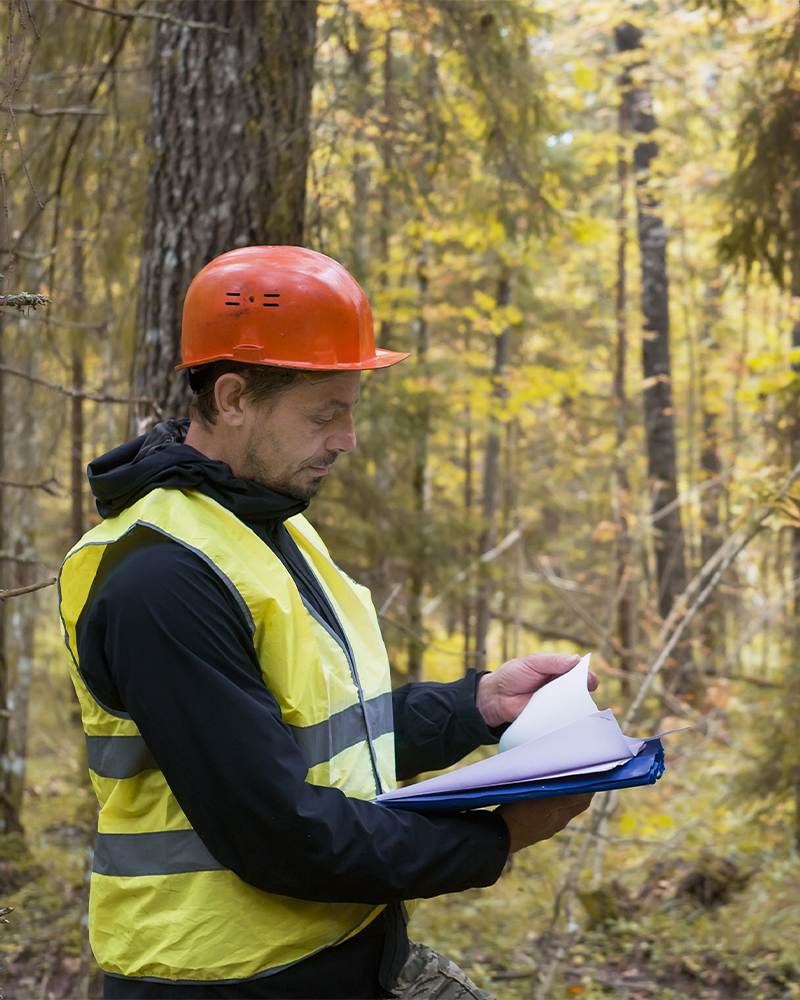
See What’s Really Holding Your Woods Back
What We Often Find in Ohio Woods
Many Ohio landowners are surprised by what a professional woodland evaluation reveals. Some frequent findings include:

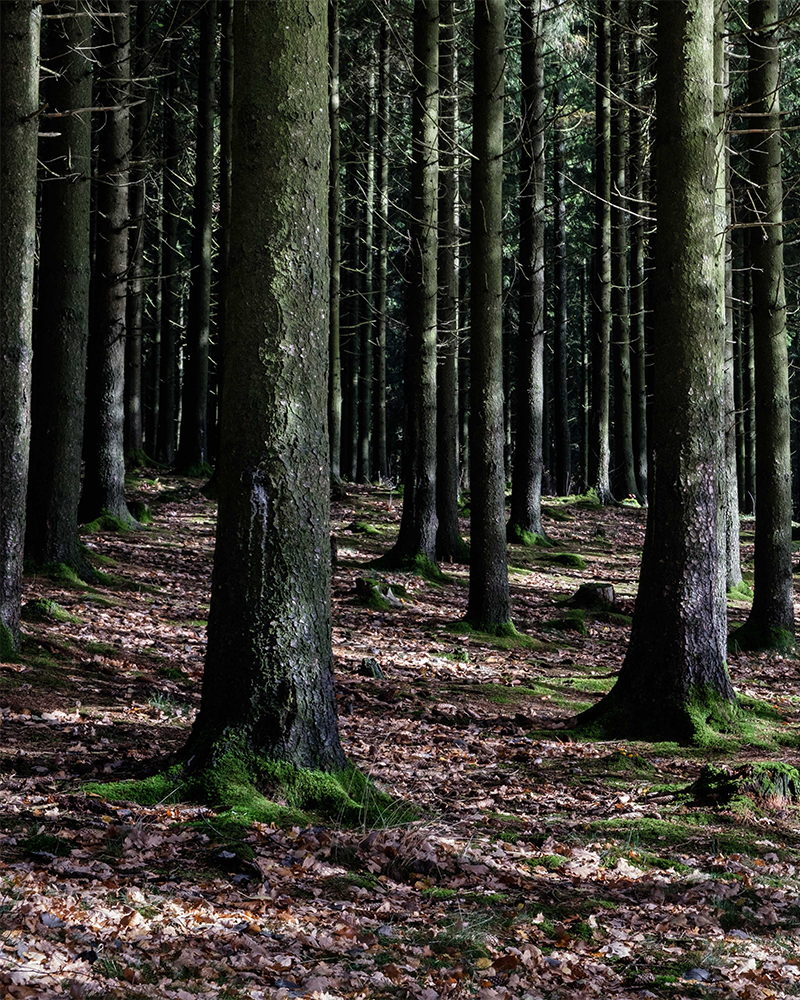
• Overcrowded stands holding back healthy growth
Too many trees competing for the same light, water, and nutrients, cause slow growth and weaker timber.
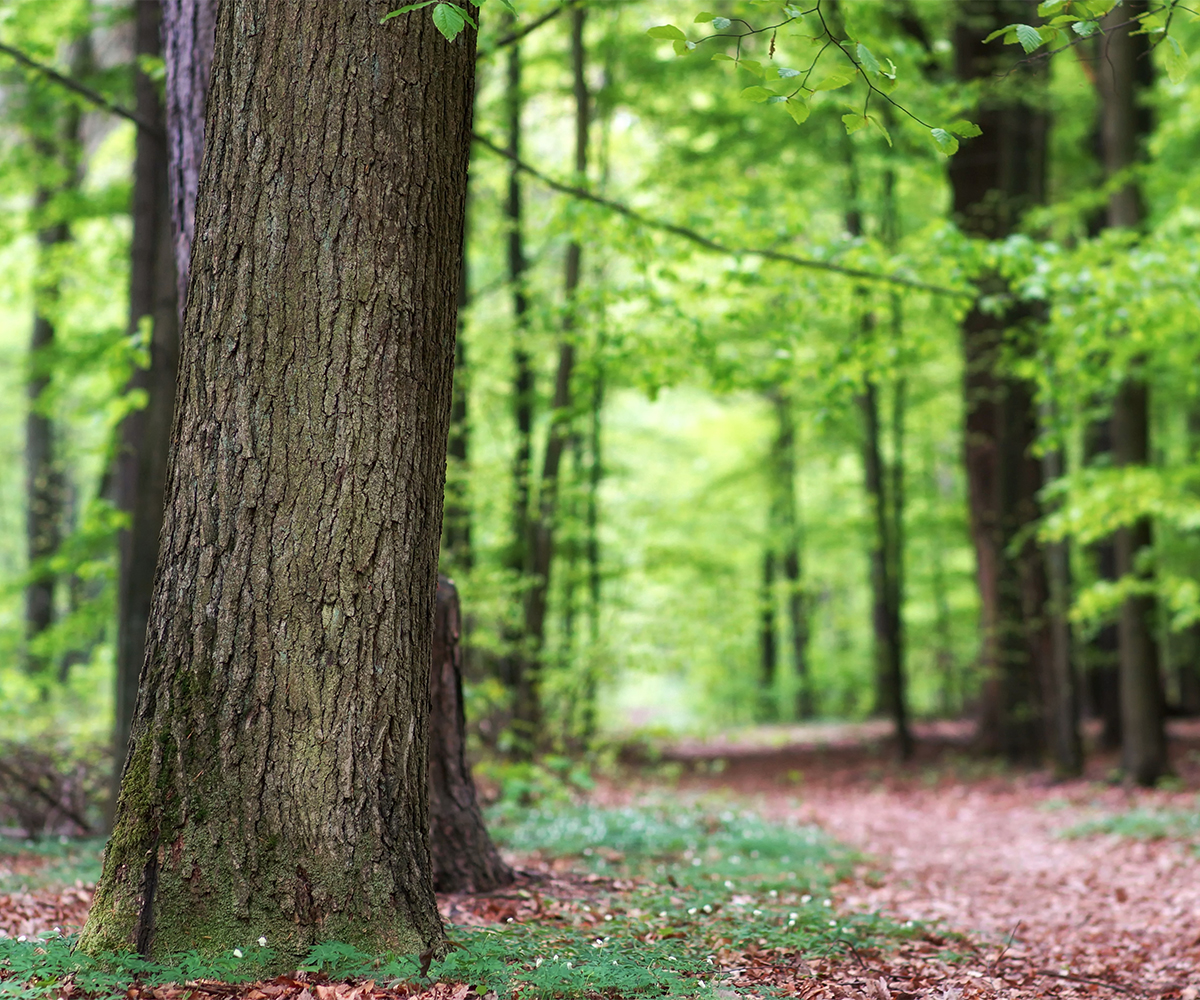
• Mature trees ready for selective harvesting
Older, high-value trees that are at or near peak value can be harvested to open up space for the next generation.

• Invasive species competing with valuable timber
Plants like bush honeysuckle or multiflora rose crowd out young hardwoods and make access difficult.
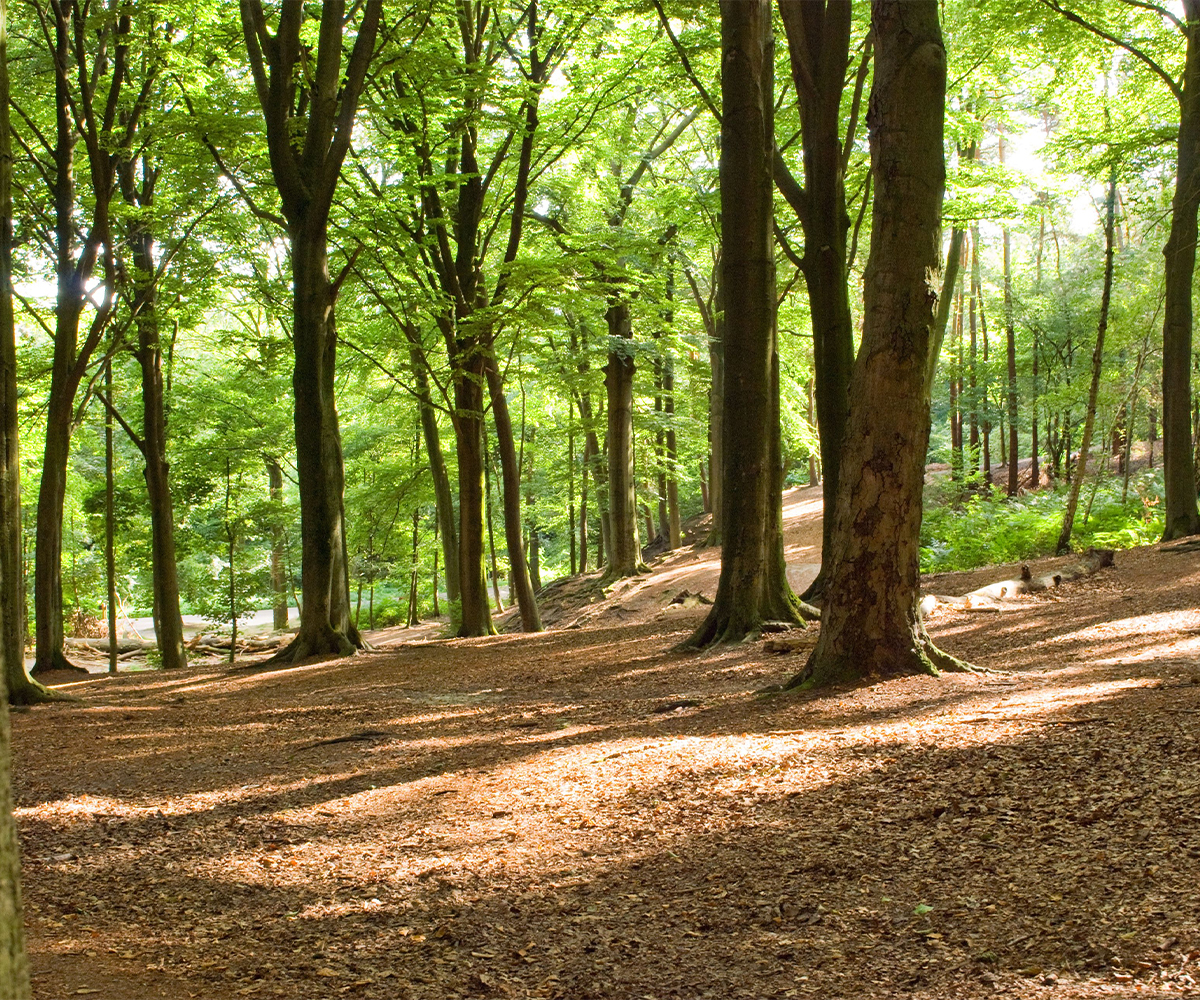
• Poor regeneration in areas lacking sunlight
Many Ohio woods have too few young trees in the understory because the canopy is too closed, leading to future gaps in timber and wildlife habitat.
Real Experiences. Real Results.
Protect Your Woods Before Problems Spread
A woodland evaluation is about making informed decisions instead of guesses. It gives you a clear look at what you have and what’s possible.
- Understand the true condition of your woods
Instead of relying on appearance alone, you get a straightforward assessment of tree health, stand structure, and problem areas. - Reveal opportunities to improve future timber value
The evaluation can uncover stands that would benefit from thinning, improvement cuts, or other work that boosts the growth of your best trees. - Support long-term forest health and growth
By spotting issues early, such as disease pockets, invasive plants, weak regeneration, you can address them before they become costly problems. - Guide decisions about selective cutting or TSI
The findings help determine whether your woods are ready for a selective timber harvest, a Timber Stand Improvement (TSI) project, or if they should be left to grow longer. - Reduce risk of disease, overcrowding, or poor regrowth
A planned approach helps prevent common issues like stunted growth, trees dying out in clusters, or poor regrowth after a cut.
Ready to understand the true health and potential of your woods?
Why Landowners Choose AJ Logging
Helpful Answers for Landowners
Frequently Asked Questions
Learn more about forestry management, timber harvesting, tree removal, and how we help Ohio landowners make informed decisions about their wooded property.
How many acres do I need for forestry management or timber harvesting?
We typically work with properties that have 10 acres or more of wooded land. Smaller parcels may still be considered if they have high-quality timber, but 10+ wooded acres is usually where a forestry evaluation starts to make sense.
Do you buy one or two trees from homeowners?
Usually, no. Removing one or two trees generally does not work as a timber purchase because of the cost of moving logging equipment and crews. If a tree is near a house, building, driveway, or power line, it is usually handled as a tree service job, which means there is typically a removal cost.
What should I do if I have fewer than 10 trees I want removed?
For smaller tree removal requests, we may ask for photos of the trees, the surrounding area, and access points before discussing the project. This helps us determine whether the job is practical for our crews.
What is forestry management?
Forestry management is the process of evaluating a wooded property, identifying which trees should be harvested, which should be left, and how to improve the long-term health and value of the woods. We walk the property with landowners and help them make informed decisions about harvesting, growth, habitat, and future timber value.
How often should my woods be evaluated?
A wooded property should generally be reevaluated about every 5 years. Even if a full harvest is not needed, trees can become unhealthy, overmature, damaged, or ready for selective cutting within that time.
When is timber ready to harvest?
Many woods are worth evaluating if they have not been harvested in 15 to 20 years. We look at tree size, health, species, market value, and long-term growth potential before recommending whether harvesting makes sense.
Will you help me decide what trees to cut and what trees to leave?
Yes. We help landowners understand which trees may be ready for harvest, which lower-value or unhealthy trees may be limiting growth, and which trees should remain to support the long-term value of the woods.
Do you pay for lower-grade timber?
Yes, in many cases. We have markets for both high-quality furniture-grade timber and some lower-grade species. Removing lower-value trees can also improve growing conditions for better trees over time.
Do you work with hunting properties?
Yes. We work with landowners and deer hunters who want to improve habitat, create trails, add food plots, or shape a property for hunting use. These projects may involve heavier cutting than traditional forestry management, depending on the landowner’s goals.
Can timber harvesting improve deer habitat?
Yes. Selective or heavier harvesting can create more sunlight, cover, trails, and food plot opportunities. We discuss the tradeoffs with landowners so they understand how habitat goals may differ from long-term timber management goals.
Is forestry management a one-time service?
It depends on your needs. Some landowners work with us once for a harvest or hunting-property project. Others stay in touch with us over many years and call back when the woods are ready to be reevaluated.
Can I visit the mill or see the process?
Visits may be available by appointment only. Because our mill has active equipment and safety concerns, it is not open for walk-ins. Some landowners may be able to see parts of the process after their logs arrive at our yard.
Do you have a public office or showroom?
We have an office at the mill, but visits should be scheduled by appointment. For everyone’s safety, we ask that visitors contact us before coming to the property.
What areas do you serve?
We serve landowners throughout our Ohio service area. Contact us with your property location, and we can let you know whether your land is within the areas we currently serve.
What information should I provide when requesting a quote?
For the best response, please include your property location, approximate wooded acreage, number of trees involved if it is a smaller project, photos if you have fewer than 10 trees, your goals for the property, and any access concerns for equipment.
Helpful goals to mention include timber sale, woods improvement, deer habitat, trails, food plots, or tree removal.
How many acres do you manage?
We manage 2,000+ acres.
Keep Your Woods Working for You
Grow Timber Value Year After Year
A woodland evaluation is often the first step in a long-term forest management plan. Once you know what you have, you can decide how to move forward:
- Selective cutting can remove mature or low-quality trees while keeping the best stems growing.
- Timber Stand Improvement (TSI) can thin crowded areas and remove poor-quality or invasive trees to boost growth on your high-value hardwoods.
- Sustainable forestry ensures your woods produce timber, wildlife habitat, and enjoyment for years to come, not just one harvest.
- Forest management planning uses the results of your evaluation to map out a practical sequence of work over time instead of one-off decisions.
Our Service Area
We service the entire state of Ohio. Some of the cities we frequently serve include: Marietta, Mansfield, Zanesville, Medina, Cuyahoga Falls, North Royalton, Wooster, Millersburg, Canton, New Philadelphia, and surrounding areas.
Our Service Area
We service the entire state of Ohio. Some of the cities we frequently serve include: Marietta, Mansfield, Zanesville, Medina, Cuyahoga Falls, North Royalton, Wooster, Millersburg, Canton, New Philadelphia, and surrounding areas.

Your Trusted Forestry Management
Phone: 330-390-2094
Based in Holmesville, Ohio