
What are some signs your property needs forest management? Leaving your forest alone may not be the best way to preserve it. That idea runs against common advice, but the history of Ohio’s forests helps explain why.
From 1800 to 1900, heavy logging reduced Ohio’s forest cover from about 95% to roughly 10%. In response, conservation efforts began in the early 1900s, including the creation of a state forest system in 1916. Since then, forests have steadily returned. Today, forests cover about 30% of Ohio—a significant recovery, though still far below pre-settlement levels.
Because of this history, many forests in the state fall within the 50–100 year range. As these forests mature, they often benefit from active management to stay healthy and productive.
Unmanaged woods can lose value over time. Shade-tolerant species—especially maple—often begin to dominate. Invasive plants spread more easily, and tree quality can decline. Without intervention, landowners may also miss opportunities to improve long-term value.
Signs your property needs forest management:
- A few young saplings are growing on the forest floor
- A shift from oak to maple dominance
- A high number of dead, dying, or diseased trees
If you’re unsure whether your land needs attention, look for the following signs.
1. Overcrowded Trees Competing for Space
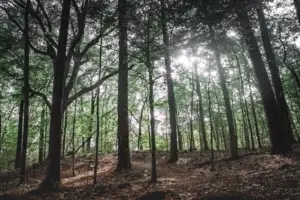
When trees grow too close together, they compete for sunlight, water, and nutrients. This often leads to tall, thin trees with small crowns or trees with sections of dead branches.
Overcrowding also affects wildlife. A dense canopy limits sunlight reaching the forest floor, which reduces underbrush. This can reduce habitat for species such as deer that rely on ground cover for shelter.
2. Dead, Dying, or Diseased Trees
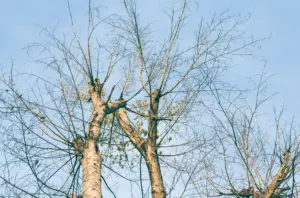
A few dead trees are normal in any forest, but large numbers often point to a deeper problem.
Check tree crowns and outer branches for signs of disease or insect damage. If many trees show similar decline, pests or disease may be spreading.
Dead trees can also pose safety risks in recreational areas. Too much fallen debris makes the land harder to access and can increase the risk of fire. According to data from the Ohio Department of Natural Resources, Ohio experiences hundreds of wildfires each year, most of which are small but can still cause damage.
There is also a financial impact. Trees lose value as they decline, so harvesting at the right time can make a significant difference.
3. Little to No New Growth
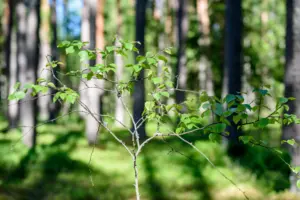
A healthy forest replaces itself over time. If you see a few saplings, regeneration may be limited.
Many Ohio forests are shifting from oak to maple dominance. Oaks require more sunlight in their early years, while maples can grow in shade. Without enough light reaching the forest floor, young oaks struggle to survive.
This shift affects both ecology and long-term value. Oaks tend to support a wider range of wildlife and allow more light to reach the ground, which encourages plant growth. They also remain valuable in many timber markets.
Encouraging new growth often requires thinning competing trees and creating space for sunlight to reach the forest floor.
4. Low-Quality or Invasive Species Taking Over
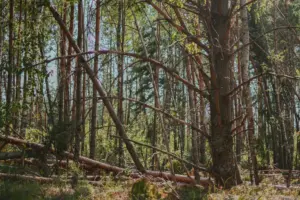
Another sign to watch for is the spread of low-value or invasive species.
Even native species like maple can become overly dominant if left unmanaged. More concerning are invasive species. Common examples in Ohio include tree-of-heaven, Norway maple, Callery pear, bush honeysuckle, and multiflora rose.
Some of these species spread quickly and crowd out native plants. Tree-of-heaven, for example, is a preferred host for the spotted lanternfly, an invasive insect that damages crops and hardwood trees. It can also release chemicals into the soil that limit the growth of nearby plants.
If these species gain ground, they can alter the forest’s structure and long-term health.
5. Limited Access or Overgrown Trails
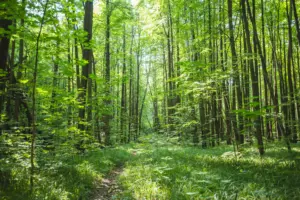
Access plays a larger role than many landowners expect. If you cannot move easily through your woods, it becomes harder to monitor conditions or manage problems early.
Overgrown areas allow invasive species to spread unchecked. Dense growth can also limit recreational use and reduce the overall value of the property.
Creating and maintaining access points is often one of the first steps in effective forest management.
6. You Haven’t Evaluated the Land in Years
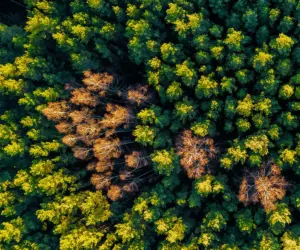
Forests change slowly, which makes it easy to overlook problems.
Even if nothing seems wrong, conditions may be shifting. Tree species, growth patterns, and overall health change over time. Regular evaluation helps catch small issues before they become costly ones.
What to Do If You Notice These Signs
Step 1: Get a Professional Evaluation
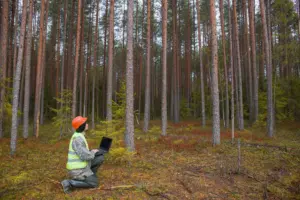
Some landowners choose to assess their woods themselves, but a professional evaluation provides a clearer picture.
A forester will walk the property, identify species, note invasive plants, and assess overall forest health. They will also point out trees with commercial value and explain potential risks and opportunities.
Step 2: Create a Management Plan
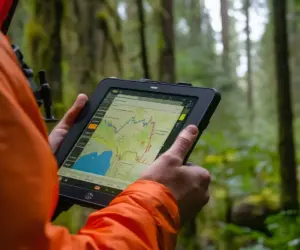
After the evaluation, the next step is a plan based on your goals.
This plan may include short-term actions such as removing invasive species, improving access, and selecting trees for harvest. It will also outline long-term strategies, including regeneration, species balance, and sustainable timber use.
A well-designed plan helps your forest grow stronger while increasing its long-term value. Get started today!
Work With a Forestry Team That Understands Your Land
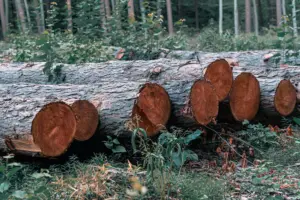
Working with an experienced forestry team helps you avoid costly mistakes. The right professionals know how to remove trees without damaging soil or surrounding growth. They also understand how to balance short-term returns with long-term forest health.
A local company such as AJ Logging brings both experience and regional knowledge. With proper equipment and planning, they can reduce erosion, protect remaining trees, and improve overall outcomes.
In many cases, harvesting occurs on a 10- to 20-year cycle. This approach promotes regrowth, supports wildlife habitat, and maintains steady value over time.
A well-managed forest does more than produce timber. It supports wildlife, protects soil and water, and remains productive for generations. Contact us today to get help with forest management.
Recent Comments