
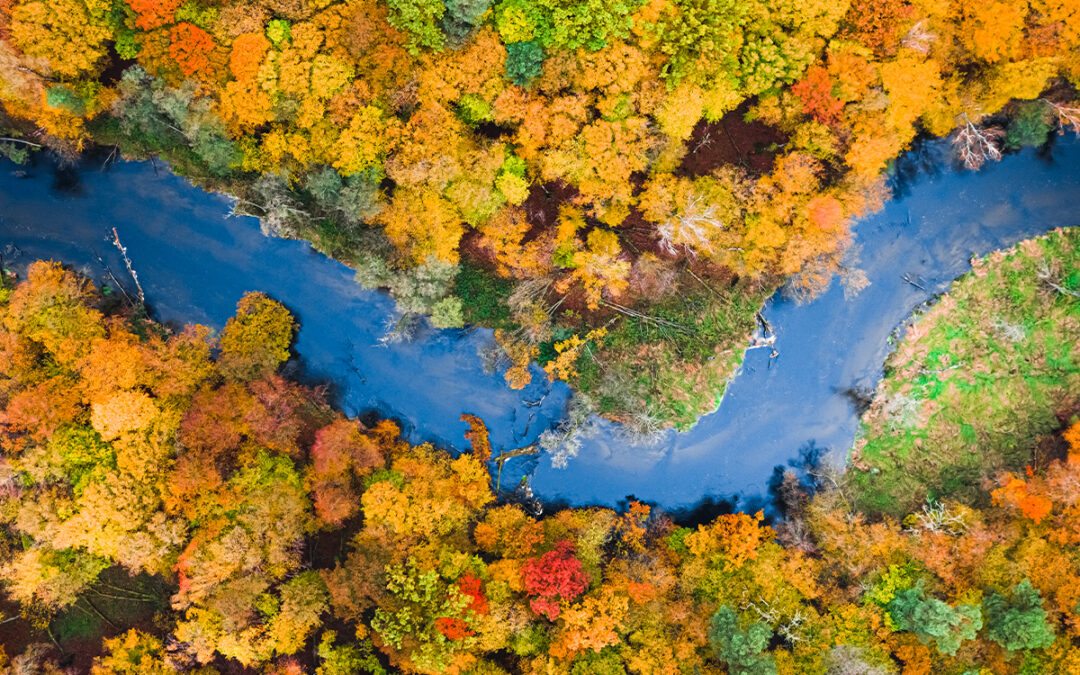
Ohio’s forests matter to the people who live and work here. They help clean the air, manage water runoff, and protect soil. Healthy forests support streams and rivers, reduce pollution, and provide habitat for a wide range of plant and animal life.
Forests also support Ohio’s economy. The state ranks among the top five in furniture manufacturing, and much of that wood comes from timber harvested locally. Forests also play a role in tourism. Places like Wayne National Forest bring visitors to rural areas and help support local businesses and communities.
Today, Ohio’s forests face real challenges. Invasive species such as the emerald ash borer have caused widespread damage, killing nearly all native ash trees in the state. Changes in weather patterns, including wetter spring and fall seasons, have made it easier for pests like this to spread and take hold.
Because nearly 85 percent of Ohio’s forests are privately owned, landowners play a key role in how forests are managed. Responsible logging is not about removing trees—it is about managing land in a way that keeps forests productive and healthy over time. This article explains the basic principles of sustainable forestry in Ohio and how sound management practices help protect both the land and the people who depend on it.
Understanding Sustainable Forestry

So what does sustainable forestry actually mean? Neal Carson, the Timber and Forestry Manager, Packaging Corporation of America in Tennessee explains: “Sustainable forestry involves the management of today’s forests to meet the needs of the present without compromising the needs of the future.”[1] In simple terms, it means using forest resources responsibly so they remain productive over time.
To understand sustainable forestry, it helps to define a few key ideas. One of these is ecological integrity, which refers to how much a forest has been altered by human activity. Forests with higher ecological integrity tend to store carbon more effectively, protect soil from erosion, keep streams functioning properly, and provide stable habitat for wildlife.
Sustainable forestry aims to balance ecological integrity with forest productivity. That balance allows forests to remain healthy while still supporting responsible timber harvesting. Reaching it takes planning and long-term thinking, but it also supports local economies and working landscapes.
In practice, sustainable forestry means harvesting timber at a rate that allows landowners and logging companies to remain profitable without degrading the forest. It means leaving certain trees in place to protect creeks and rivers. It also means managing forests in ways that support nearby communities and improve quality of life. These goals are ambitious, but they are practical—and they reflect a broader understanding that well-managed forests benefit both people and the land.
Key Forestry Management Practices
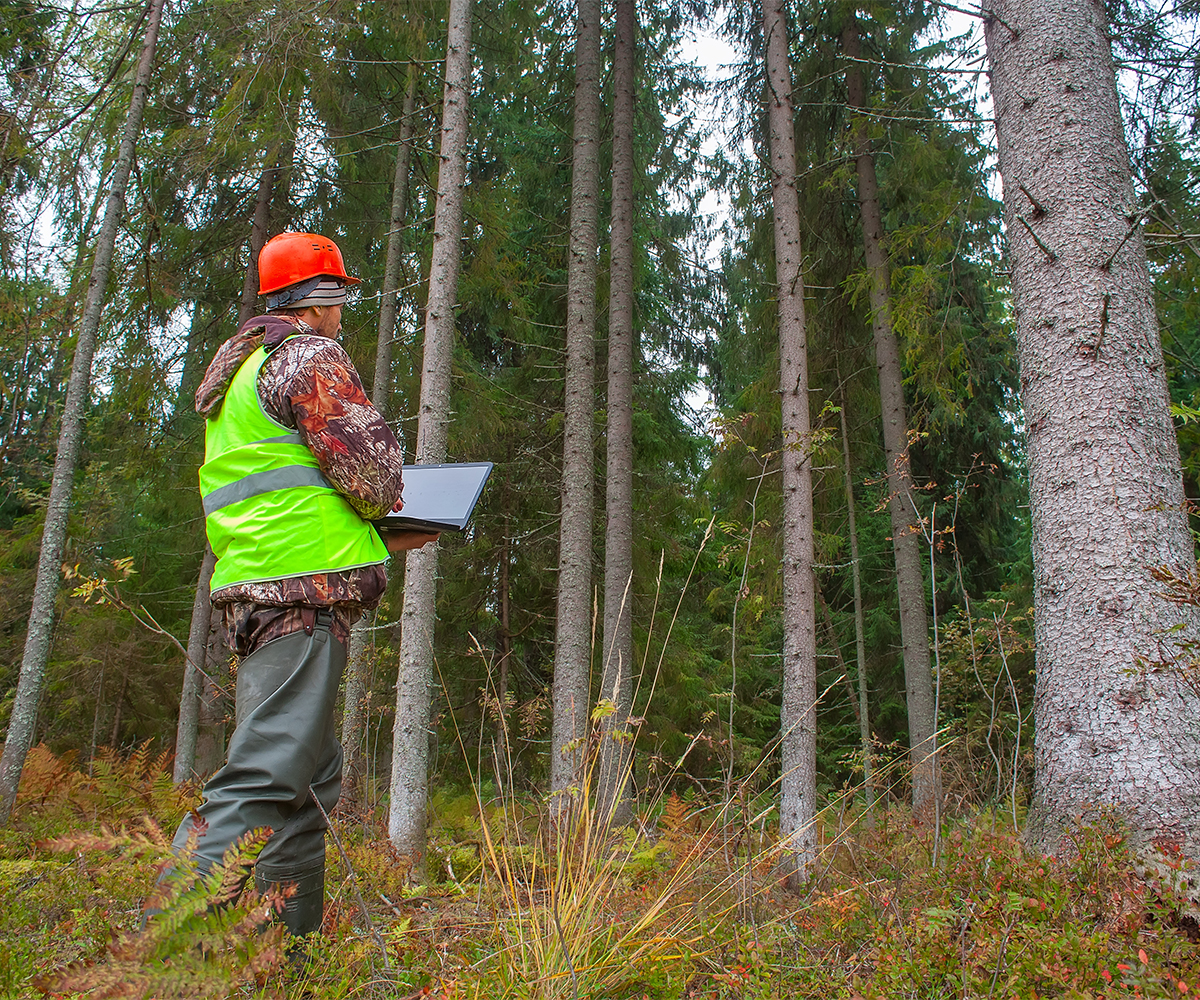
Sustainable forestry relies on a set of management practices that focus on regeneration, careful harvesting, and long-term forest health. At the center of all of them is the goal of helping forests renew themselves.
Reforestation and Natural Regeneration
Reforestation is not simply cutting a tree and planting another in its place. In most cases, it means creating the right conditions for forests to regenerate naturally. This includes protecting young growth, improving soil conditions, and planting trees only where natural recovery needs support.
In Ohio, reforestation is especially important on land that was once strip-mined. Many of these areas were converted to pasture in the past, but today, cooperation between landowners and mining companies has made forest recovery more possible. Foresters often plant one type of tree to stabilize soil and support wildlife, and another for future timber production. The cost of planting trees that can survive poor soil remains a challenge, but the long-term benefits are significant.
Wildfires and Reforestation

Reforestation also plays a role after wildfires. Ohio experiences an average of about 1,500 acres of wildfire each year. While fires can cause damage, they can also reduce dense underbrush and allow certain tree species to regenerate more effectively. Over time, fire suppression has shifted many forests away from oak-hickory toward maple-dominated stands. Oak-hickory forests tend to support a wider range of plant and animal life.
Selective Logging and Reduced-Impact Harvesting
Sustainable forestry avoids large-scale clear-cutting whenever possible. Clear-cutting can damage soil, increase erosion, and raise water temperatures in nearby streams, which harms aquatic life. Even when replanted, clear-cut areas often lack the structure needed for a healthy forest.
Selective logging takes a different approach. Trees are harvested individually or in small groups, allowing forests to maintain a mix of ages and species. Older trees provide habitat, younger trees replace them over time, and decaying wood returns nutrients to the soil. This diversity strengthens the forest as a whole.
Careful planning is critical. Logging roads must be placed to protect soil and water, avoid streams, and reduce erosion. When done correctly, selective harvesting can improve forest health by removing trees that limit growth or reduce diversity, making room for stronger, more productive stands.
Roads and equipment can cause erosion if they are poorly placed or muddy equipment carries invasive plant seeds into a forest. Planning road placement to avoid steep slopes and water crossings helps protect soil. Cleaning tires and tracks before and after entering sensitive areas reduces the chance invasive plants spread into new sites.
Controlled Burns and Fire Management
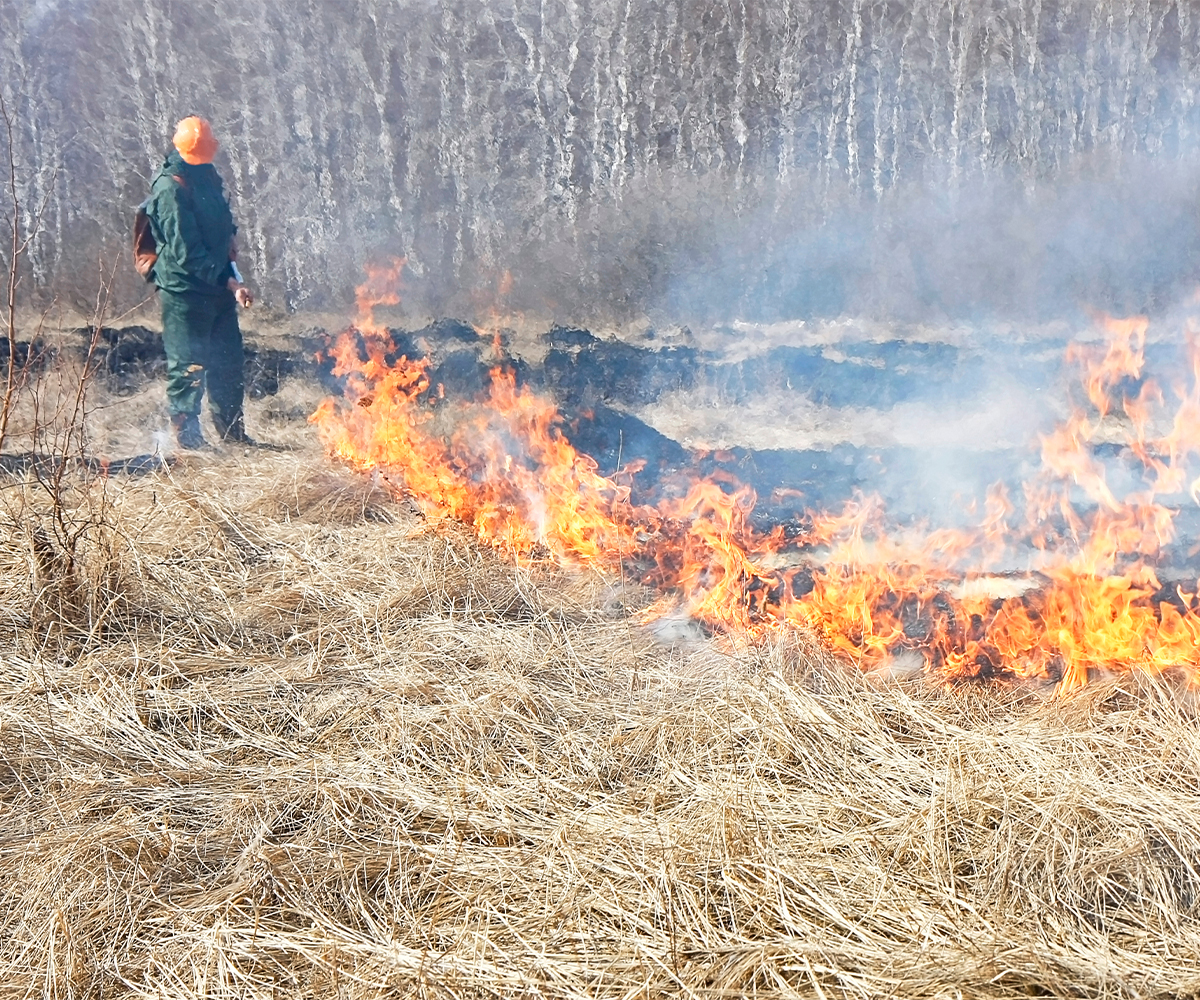
Fire has long played a role in Ohio’s forests. For much of the past two centuries, fire suppression was the norm. While this reduced immediate risks, it also allowed invasive species and dense undergrowth to spread.
Prescribed burns help restore balance. Controlled fires recycle nutrients into the soil, limit invasive plants, and create food and shelter for wildlife. They are especially important for maintaining oak-hickory forests, which depend on periodic fire to thrive. Without fire, maple trees tend to take over, reducing overall habitat diversity.
Prescribed burns also reduce fuel buildup in underbrush. When dead branches and debris accumulate over time, the risk of severe wildfires increases. Managed fire lowers that risk while supporting healthier forest conditions.
Pest and Disease Control
Pests, disease, and invasive species are among the biggest threats to forest health in Ohio. Forest owners and loggers need systems to detect and respond to these threats early.
Monitoring for Invasive Species
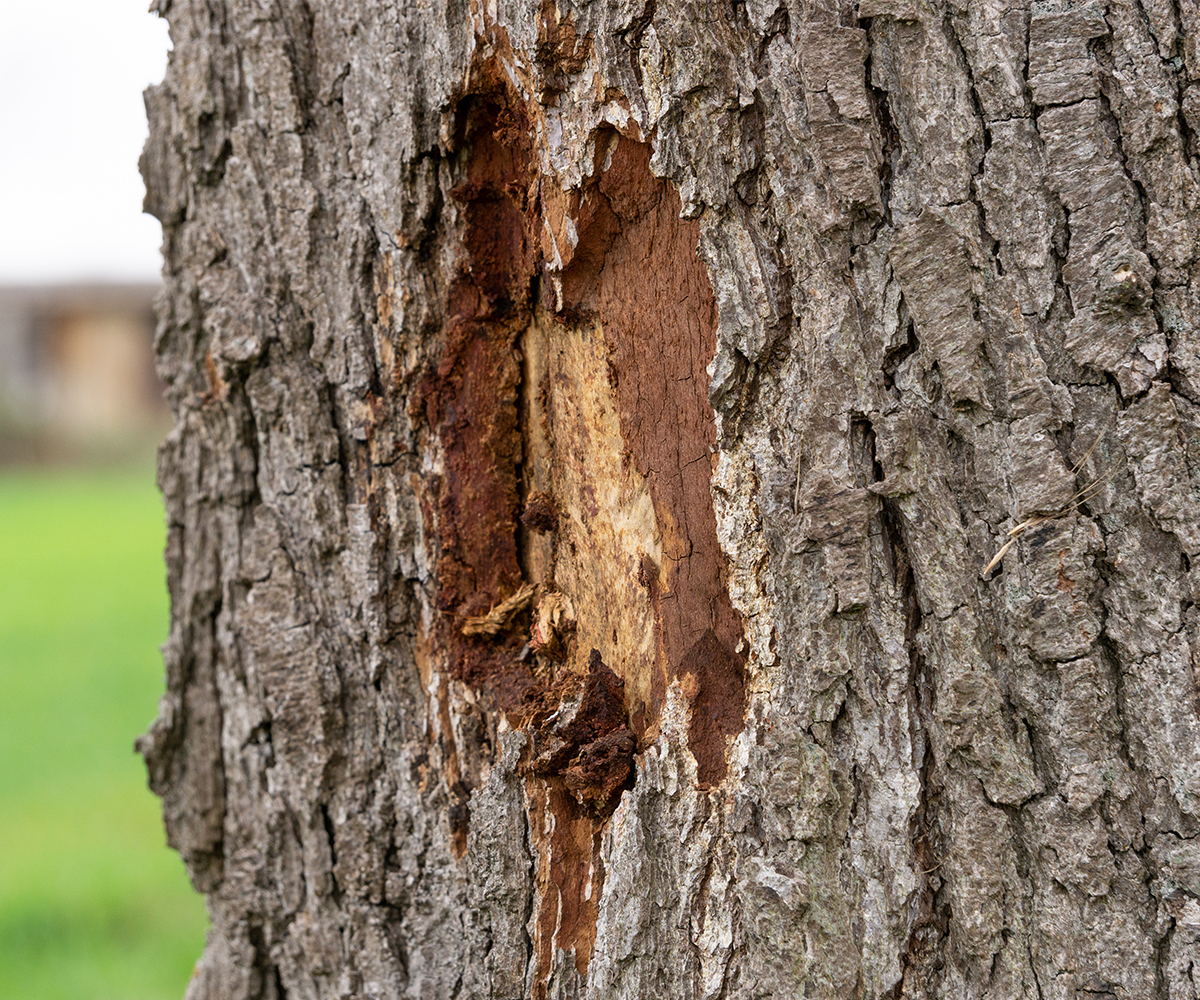
Many non-native plants and insects can harm native forests. Bush honeysuckle, for example, is an invasive shrub that outcompetes native understory plants and alters wildlife habitat. Early detection makes it easier to manage invasives before they spread widely. When you see an unusual plant or insect while working in the woods, report it through networks such as the Midwest Invasive Species Information Network so professionals can track and respond to new infestations.
Forest monitoring falls into four practical steps: prevention, detection, control, and long-term management. Preventing invasive spread starts with practices such as cleaning equipment and recognizing early signs of invasion. Detection means regular field checks and reporting sightings. Control and management can include mechanical removal, herbicide use where appropriate, and follow-up monitoring to ensure species do not return.
Integrated Pest Management (IPM)
Integrated Pest Management is a practical way to reduce pest damage without relying on a single tool. The basic IPM steps are:
- Identify the pest, its host plants, and beneficial organisms before acting.
- Set up monitoring guidelines for each pest species so you know when action is needed.
- Choose control tactics that are effective and appropriate for the situation.
- Track results, evaluate them, and adjust your approach over time.
Good IPM helps keep pests in check while minimizing harm to desirable plants and animals.
Ohio’s Threats
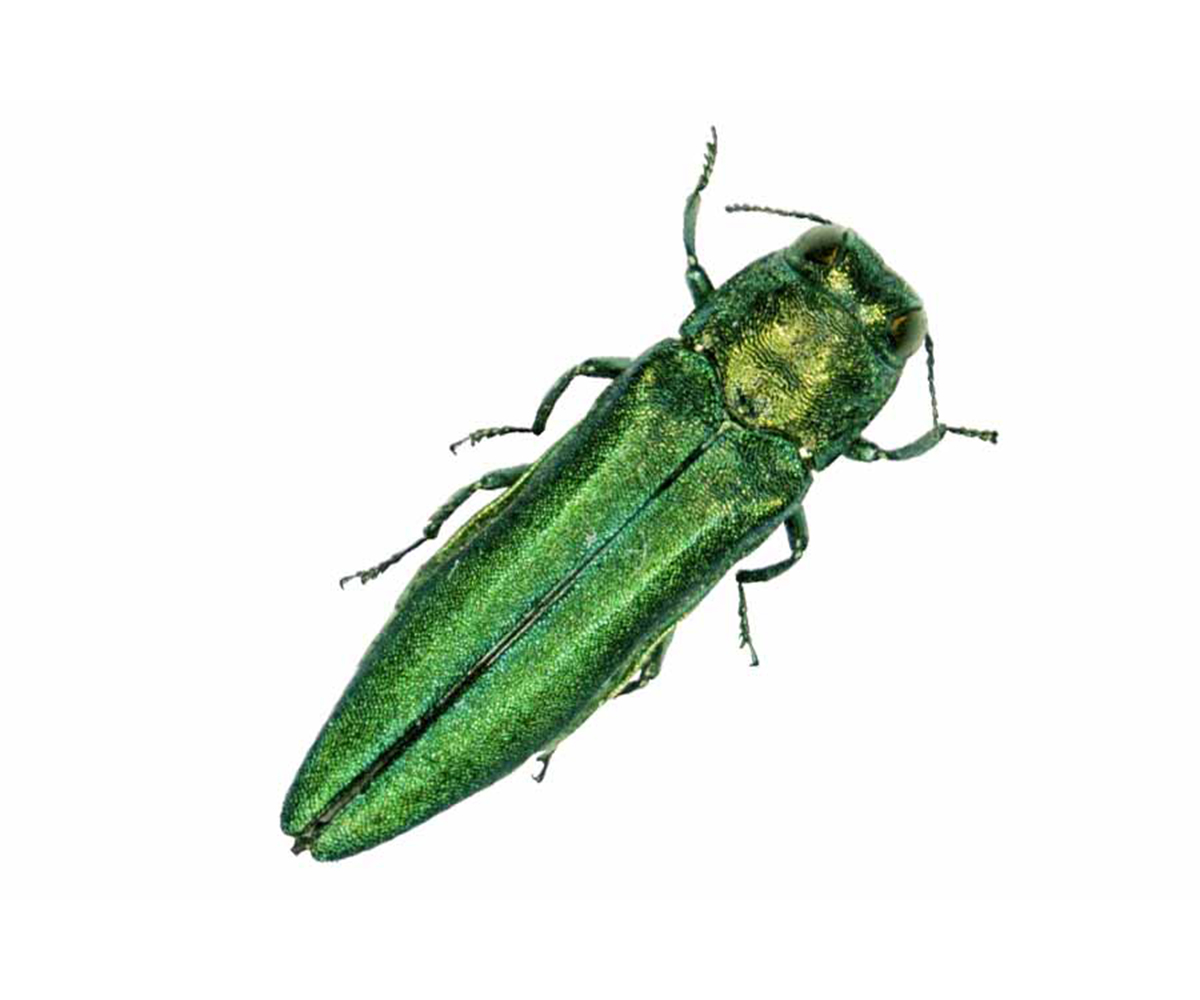
In Ohio, the emerald ash borer and hemlock wooly adelgid continues to pose a huge threat to hemlock and ash trees. Additionally, invasive plants like bush honeysuckle and lesser celandine severely restrict the ability of native plants to grow and thereby limit the biodiversity of many different animals, plants, and trees.
Soil and Water Conservation
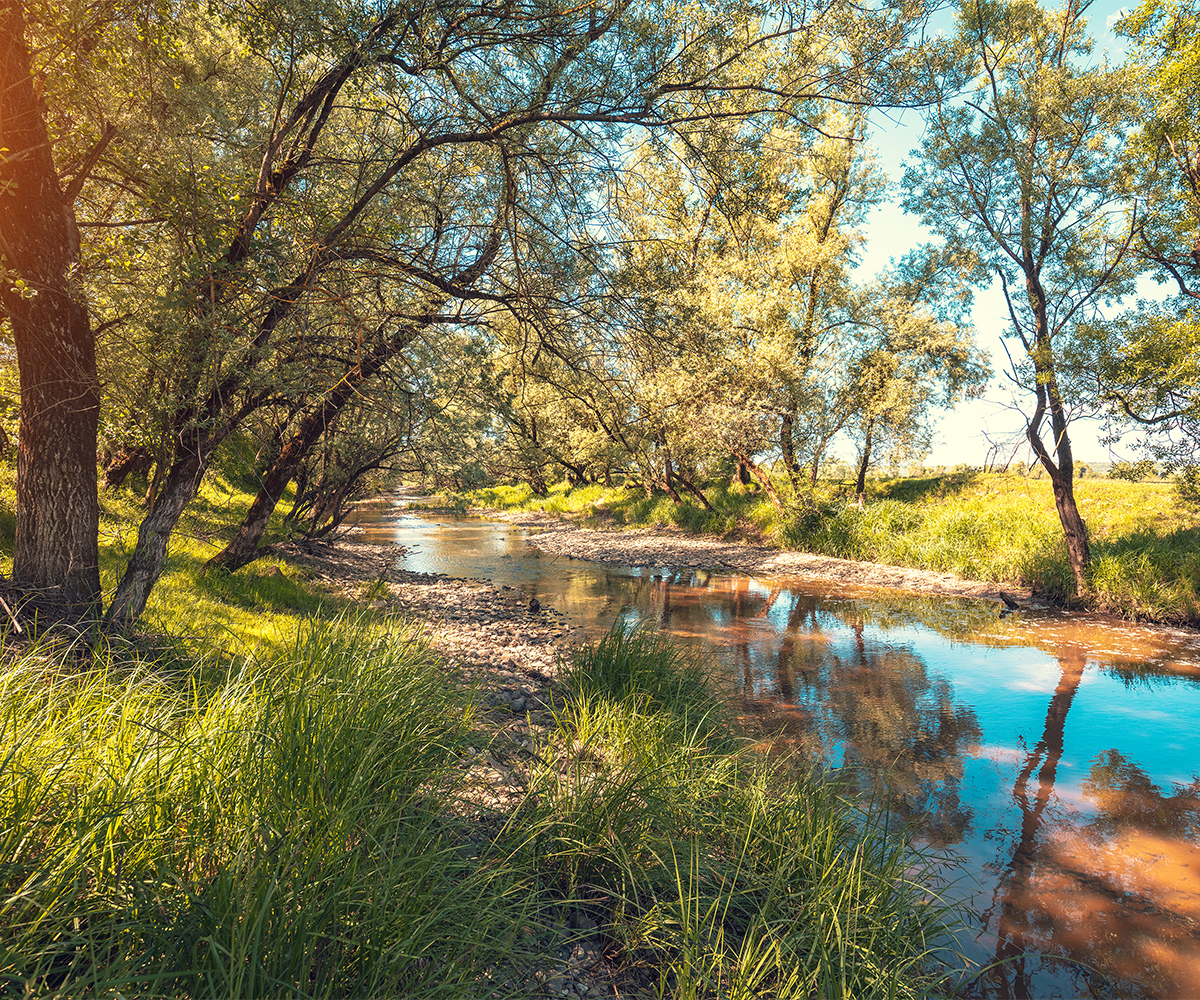
Soil and water are two of the most important natural resources forests help protect. Sustainable forestry practices focus on keeping both intact.
Buffer Zones to Prevent Erosion
Tree roots hold soil in place, slowing erosion and preventing sediment from washing into streams. Conservation buffer zones—a band of trees, shrubs, and groundcover planted alongside waterways—filter runoff and protect water quality. These vegetated strips trap sediment and absorb nutrients and pollutants before they reach a stream. Riparian buffers are widely used in forestry and land conservation because they improve water quality while supporting wildlife habitat.
Maintaining Riparian Habitats
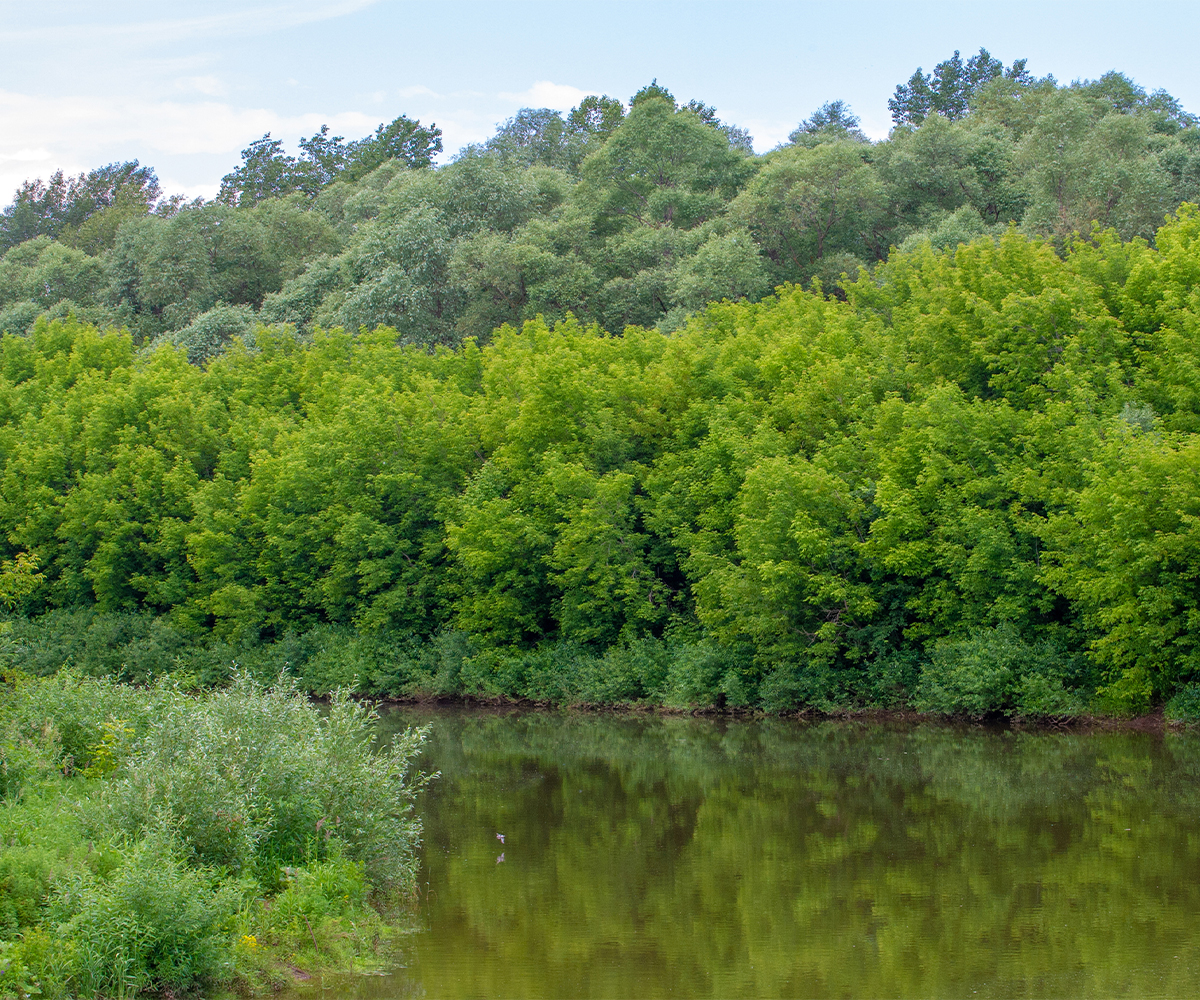
Around creeks and rivers, timber is harvested carefully to avoid harming banks or disturbing water flow. Riparian areas are some of the most productive habitats on the landscape, and protecting them keeps fish and other aquatic species healthy.
Wildlife Habitat Protection
Forests are more than trees—they are homes for wildlife. Sustainable forestry actively supports healthy habitat.
Habitat Corridors
Wildlife habitat corridors are areas of connected forest that allow animals to move safely between feeding, breeding, and shelter sites. When forests are fragmented by roads or development, corridors help maintain genetic diversity and species survival.
Protecting Old-Growth Stands
Old trees and mixed-age stands provide unique habitat features. They offer nesting sites, shade, and food sources that younger forests do not. Protecting these stands helps preserve structural diversity, which in turn supports a wider range of forest life.
Encouraging Species Diversity
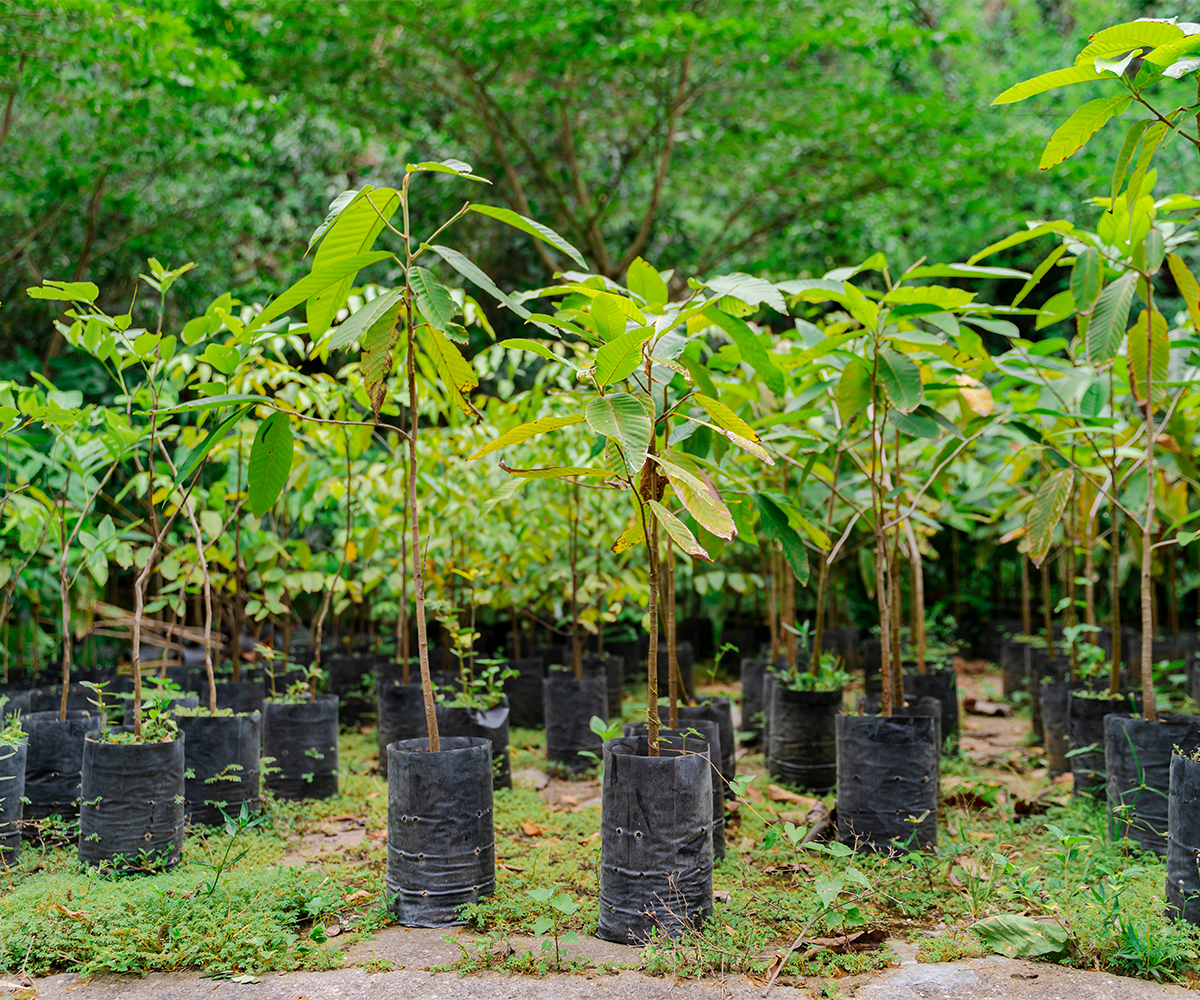
Planting only one tree species limits biodiversity. A mix of species and age classes supports more insects, birds, mammals, and plants. Over time, creating space for natural regeneration and a mix of trees encourages a richer, more resilient ecosystem.
Long-Term Monitoring and Data Management
Healthy forests don’t happen by accident; they require ongoing observation and record-keeping. Todays foresters often use these tools to survey land at a much more precise degree than before.
GIS, Remote Sensing, and Drones

Technology such as Geographic Information Systems (GIS), satellite imagery, and drones makes monitoring forests over large areas more efficient. These tools can track how tree species move, how growth changes with wet or dry seasons, and where pests or disease might be emerging.
Assessing Forest Inventory and Health

Forest inventory data—information about tree species, age, density, and health—helps landowners and foresters understand current conditions and trends. Regular assessments show where action may be needed and how forests are changing over time.
Adaptive Management Strategies
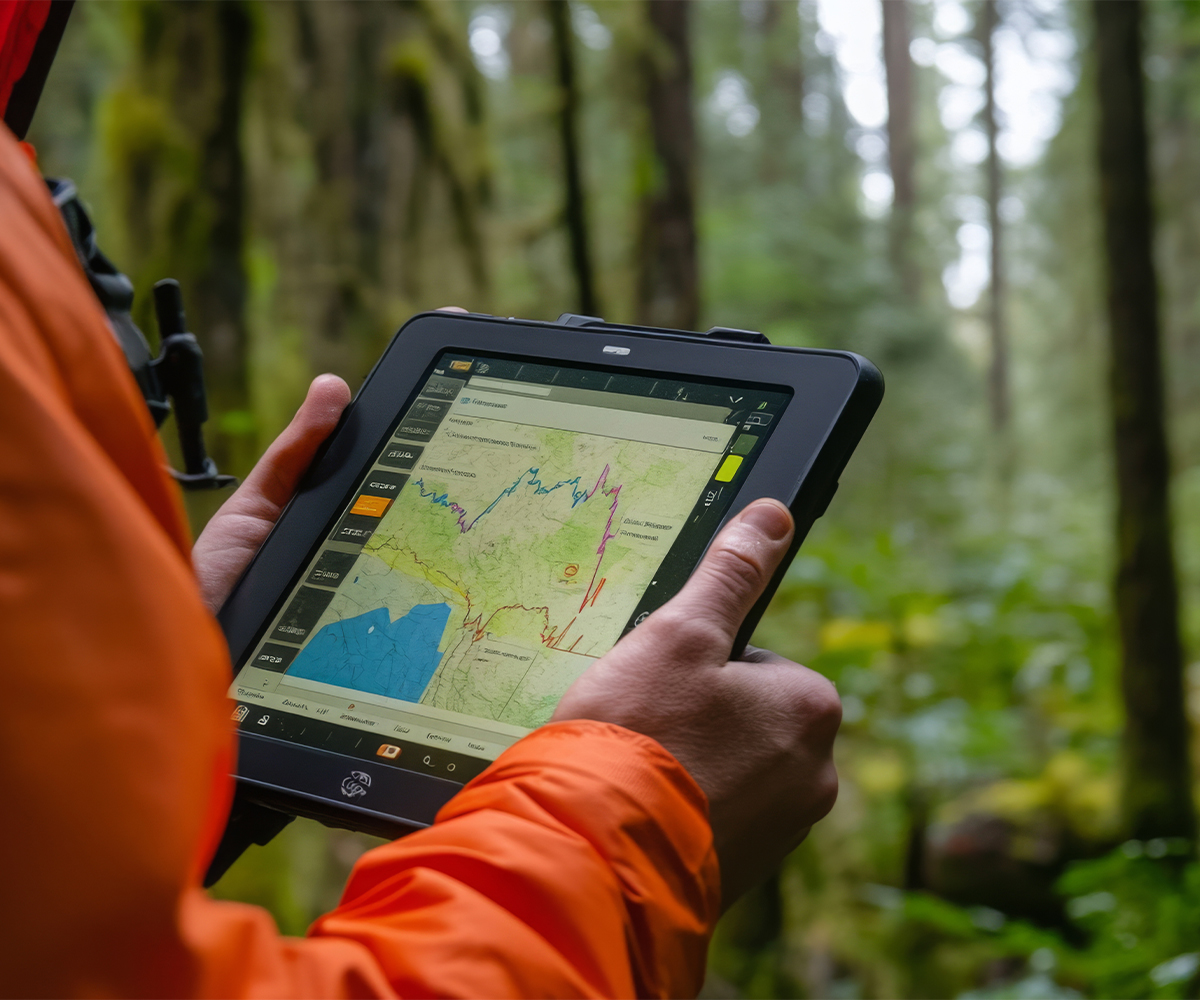
Monitoring leads to adaptive management. For example, consistent record-keeping lets landowners track a tree species’ population, note disease outbreaks, and see how conditions change across seasons. With GIS and other data tools, these records can be organized and reviewed easily, improving decisions and helping plan future actions.
Policy, Certification, and Industry Standards
Government Regulations
A century ago, Ohio’s forests were much smaller than they are today. By the early 1900s, heavy clearing left only 10% of original woodland. The state forest system began in 1916, but not until the 1940s did the program show real benefit. Between 1940 and 1970, the forests rebounded by 30% of the land area, where they’ve stabilized.
Sustainable Certification Systems
Third-party certification systems such as the Sustainable Forestry Initiative (SFI) and the Forest Stewardship Council (FSC) provide frameworks for responsible management. In Ohio, state forests are certified under both SFI and FSC standards, which require practices that protect water quality, wildlife habitat, and biodiversity.
Case Studies
Landscape Scale Restoration Program
The Landscape Scale Restoration Program is a new program for 2025 that gives grants to loggers for logging responsibly. It’s a competitive grant program that awards money in the hundreds of dollars for submitting management plans, for implementing best practices like re-seeding logging roads, and building temporary bridges across creeks.
For many loggers, programs like this can seem like an unnecessary hassle that might bring more paperwork and scrutiny. John Jefferson of Jefferson Logging was one of the skeptics. However, he participated in the program and reported that the program did, in fact, benefit loggers. As a careful and responsible logger, he was already carrying out many of the best practices. By submitting the paperwork to the Landscape Scale Restoration Program, he was reimbursed for the work he already put in.
Family Forest Carbon Program
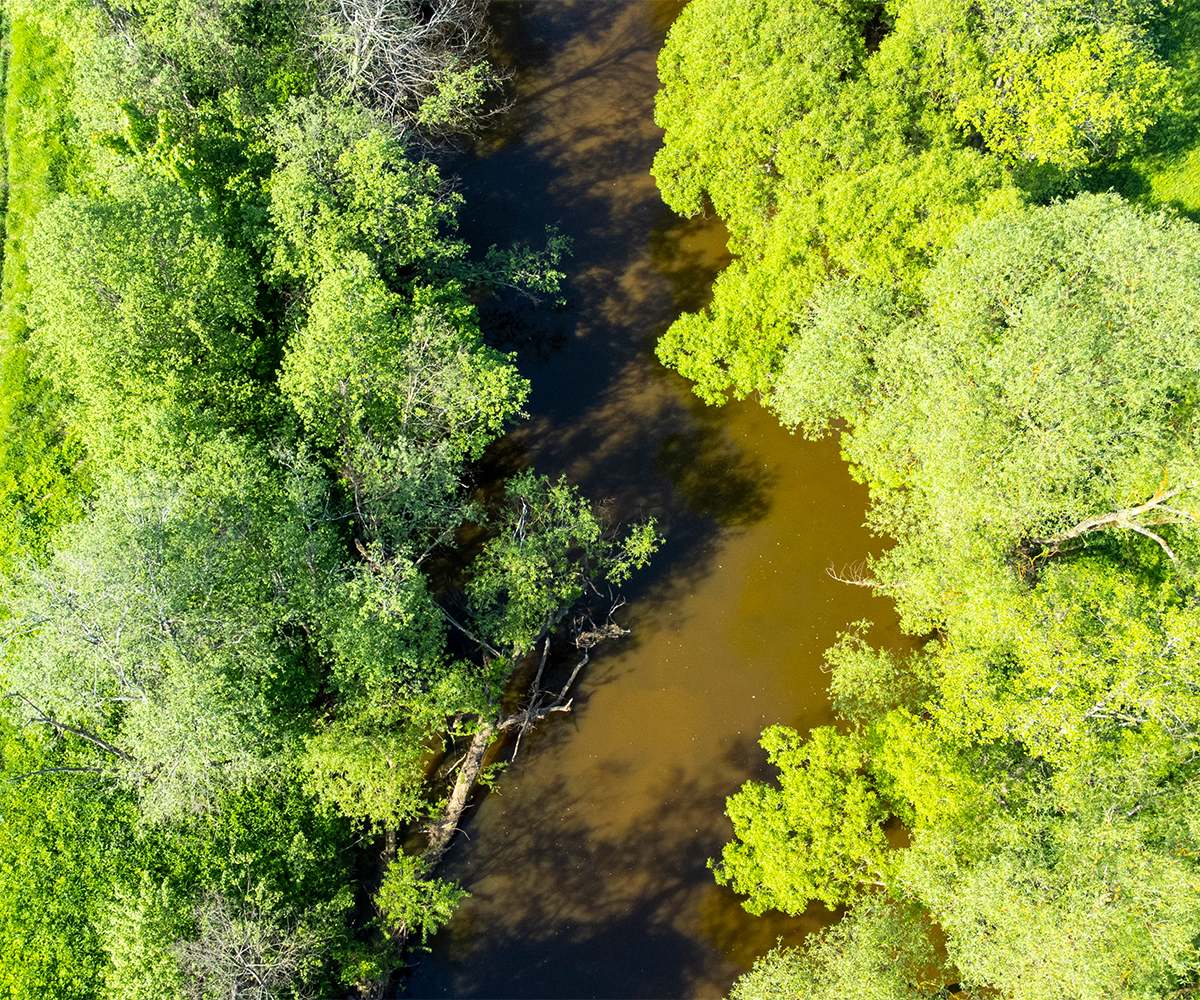
And since so many of Ohio’s forests are privately owned, it’s important that landowners are incentivized and rewarded for their efforts to preserve forests. The Family Forest Carbon Program tries to do just that. For every acre of responsibly managed forest, private landowners can receive a modest sum, paid for companies attempting to offset their carbon footprint. While landowners are unlikely to become wealthy from the program, it can help pay property taxes and money to invest back into the land.
Conclusion
Sustainable forestry is not a single practice or a fixed set of rules. It is a long-term approach to managing land in a way that keeps forests productive, healthy, and resilient. In Ohio, where most forestland is privately owned, the choices made on individual properties add up to statewide outcomes.
Responsible forestry balances timber production with regeneration, protects soil and water, supports wildlife habitat, and responds to changing conditions over time. Practices such as selective harvesting, careful road placement, invasive species monitoring, and ongoing forest inventory are not separate efforts—they work together to strengthen the forest as a whole.
Well-managed forests continue to provide wood products, clean water, wildlife habitat, and working landscapes for future generations. By applying sound forestry principles today, landowners and logging professionals help ensure that Ohio’s forests remain an asset—not only for the present, but for decades to come.
[1] https://www.afandpa.org/news/2024/what-sustainable-forestry
Recent Comments