
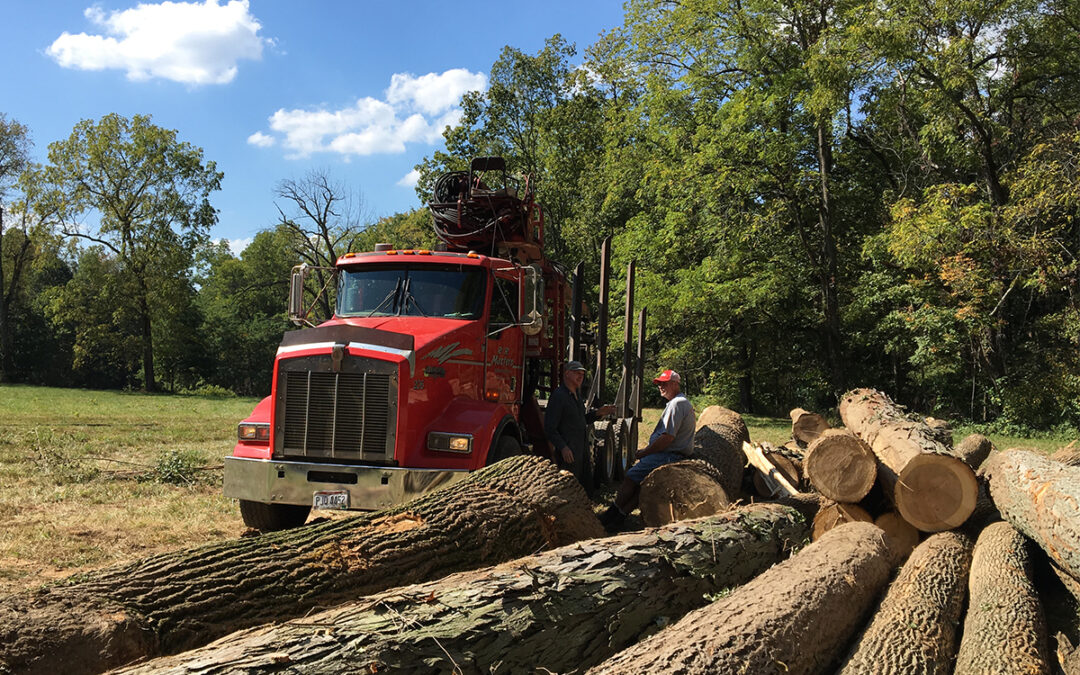
If you walk your woodland in January and then again in July, you will find yourself standing in two very different places. Ohio’s trees are always keeping time with the weather, growing hard through the warm months and resting through the cold ones.
This pattern is not random. Foresters call it Ohio timber growth cycles, which decide how quickly your trees add value and when the ground is firm enough to work safely. This rhythm even sets the best window for cutting, as weather can be the difference between a clean harvest and a damaged stand.
Once you understand how Ohio’s climate drives these cycles, you can easily decide when to harvest and what to protect. Let’s explore more.
Understanding Ohio’s Climate
Before timing anything in your woods, it’s best to know what Ohio’s weather actually does across the year.
Seasonal Weather Patterns
Ohio has a humid continental climate with four distinct seasons. Spring warms up quickly, and rain picks up, which wakes your trees from dormancy. Then summer brings heat and frequent afternoon thunderstorms. Fall cools down fast, and winter brings the coldest temperatures and snow, with northern counties near Lake Erie usually getting more of it than southern counties.
These patterns are not the same everywhere. Northern and southern parts of the state can be on slightly different schedules, which matters when you plan work on your property.
Average Rainfall and Temperature Fluctuations
Most of Ohio receives about 38 to 42 inches of precipitation a year, which is spread evenly across the months. More than half of that rain falls during the May to October growing season. That’s when your trees are doing their heaviest growing.
The growing season lasts about 150 days in the north and stretches close to 198 days in the warmer south. Temperatures remain within a workable range for forestry, with summer highs seldom exceeding 100°F and winter lows rarely falling below -20°F.
This mix of steady moisture and moderate temperatures makes Ohio a strong hardwood country. In fact, it is the foundation of good forest management in the Ohio climate.
The Role of Weather in Ohio Timber Growth Cycles
Climate directly shapes how fast your trees grow and how healthy the ground beneath them stays.
Impact of Temperature on Growth Rates
Warmth is the trigger for growth. When spring arrives earlier, and fall stays mild longer, your trees leaf out sooner and hold their leaves later. This gives them more time to add wood each year.
This is not just a theory. A study led by Ohio State researchers found that the growing season for eastern hardwoods has stretched by about a month over the last century. They used long-term data tied to Wayne National Forest.
A longer season can help a young stand build volume faster. However, it also means the woods you last checked years ago may be further along than you think.
Influence of Precipitation on Soil Health
Steady rain feeds Ohio’s hardwoods, such as oak and maple, but water has a second effect that many landowners overlook. Too much rain softens the ground and stresses tree roots. The soggy soil is easily damaged when heavy equipment rolls across it.
When the ground is wet and soft, roots suffer, and young seedlings struggle to take hold. This is the main reason the timing of any cut depends so heavily on ground conditions, which brings us to the real impact of weather on harvesting.
Sustainable Logging Seasons
Once you know how weather drives growth, the next question is when to harvest. In Ohio, the season you choose has a real effect on both log quality and the health of your woods.
Optimal Times for Harvesting
For Ohio hardwoods, late fall and winter are usually the best windows. During these seasons, your trees are dormant, sap levels are low, and the wood contains less moisture. So, it dries cleaner and shows less cracking and staining.
Frozen ground also protects your woods, since harvesting on firm frozen soil can cut soil compaction by up to 30% compared with other seasons. Winter work has a few other quiet advantages. Fire risk is low, and most wildlife is dormant, so a careful team disturbs far less of your land.
Species timing lines up with this too. In Ohio, white oak, red oak, and hard maple are typically harvested during the cooler fall and winter months, when the trees are dormant. This helps protect the quality and value of logs.
Spring and summer cutting carries more risk. Soft, wet soil ruts easily under equipment, and cut logs can spoil faster in the heat. This is why reliable local logging teams work under dry or frozen conditions whenever possible. Choosing the right sustainable logging seasons protects both your timber and the woods it came from.
Crop Rotation and Species Management
Managing your woods works best as a long game. Here is a simple way to think about it:
- Harvest mature, high-value trees and leave younger ones room to grow.
- Match your harvest timing to each species’ dormant window.
- Remove low-value or crowded trees so that quality hardwoods can receive light and nutrients.
- Reevaluate your stand on a cycle. Forestry management experts suggest a look roughly every 5 years. Many woods are worth evaluating after 15 to 20 years without a harvest.
These rotation steps can help keep your Ohio timber growth cycles productive across generations.
The Most-Effective Forest Management Practices
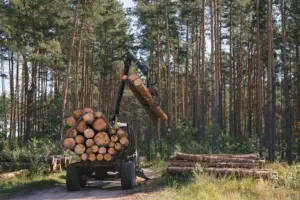
Good timing gets you a clean harvest, but strong woods need care between harvests too. A few steady forest management practices for the Ohio climate can keep your stand healthy no matter what the weather does.
Integrated Pest Management Strategies
Longer, warmer seasons do not only help trees grow. They can also give pests and invasive species more time to spread. Catching a problem before it weakens the stand prevents much bigger losses down the road.
This is where careful timing pays off. Reliable forestry management services like AJ Logging remove low-quality and invasive trees so your stronger, more valuable hardwoods have room to thrive. A healthier stand is naturally more resistant to whatever the season throws at it.
Climate-Resilient Forestry Techniques
Weather in Ohio can swing hard, so resilience matters. Selective cutting and a good mix of tree ages help your woods absorb storms and drought without major setbacks.
These are the same practices AJ Logging builds into every plan, including selective cutting and long-term growth planning. Sound forest management in the Ohio climate is about setting your land up to handle whatever the next decade brings.
Ready to Plan Your Next Harvest?
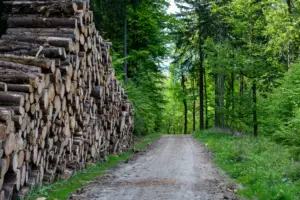
Ohio’s seasons are shifting, and your woods feel every change. Working with these patterns is the surest way to protect forest health and timber value at the same time. The landowners who pay attention to their Ohio timber growth cycles are the ones who keep the strongest, most valuable stands.
You do not have to figure out the timing alone. AJ Logging offers free, on-site woodland evaluations across Ohio. This way, you can learn the best season for your specific stand and plan a harvest that keeps your woods productive for years to come.
Get in touch with AJ Logging to schedule your evaluation and make the most of your property.
Recent Comments