Benefits of Selective Logging
Supporting Wildlife Through Tree Management
To promote regrowth of new trees and provide a habitat for wildlife, you can harvest a selection of trees in your forest every 10 to 20 years. If larger and older trees are not harvested, they shelter younger trees and their root systems cannot develop as well. Removing some trees from a dense forest, through selective cutting, enables the other trees to grow more vigorously since there are more nutrients and sunlight available. Plus, this will expose the younger trees to the wind and weather, promoting the growth of deeper root systems. This creates a healthy forest of strong trees.
Selective thinning of a forest also provides an environment for wildlife to thrive. Fewer trees allow more sunlight to reach the forest floor, encouraging the growth of small shrubs and berries. These small plants create a great habitat for lots of small animals to find food and shelter.
Not only is selective cutting healthy for the environment, but it also provides materials for many of the things we use in our everyday lives. We use trees every day to create paper products, building materials, cosmetics, and even food products.
Protecting Forests with Smarter Logging
Selective Cutting vs. Clear Cutting vs. Land Clearing
At AJ Logging, our tree removal process is about more than just clearing an area; it’s about doing what’s best for our customers, the forest, and the wildlife in it. That’s why at AJ Logging we always opt for selective and clear-cutting methods and avoid land clearing. Why is that? Let’s break down each process:
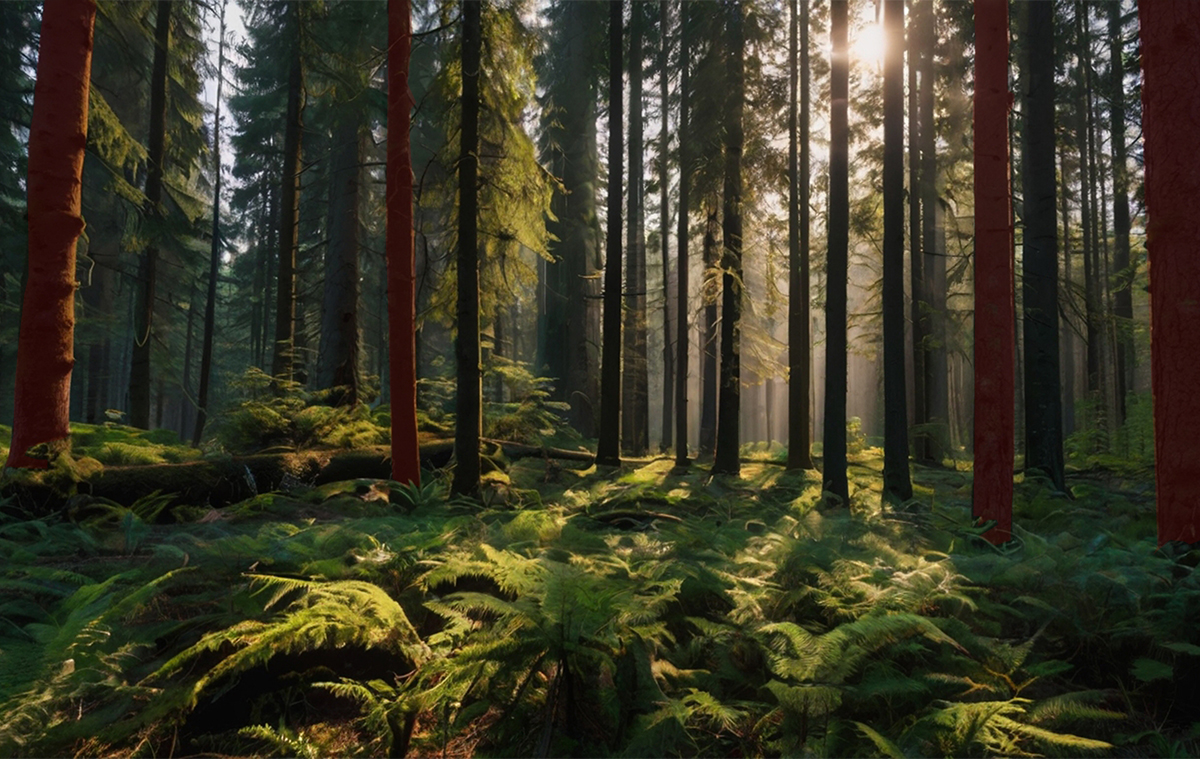
Selective Cutting
Selective cutting involves removing a handful of trees in an area based on their age, health, and strength, allowing younger trees to grow and survive.
This method of tree removal is done if there is a high risk of soil erosion in an area. It’s one of the most sustainable logging options, and it helps preserve wildlife habitats. Many species rely on the forest’s structure for food and shelter, and this offers the least disruption to a habitat.
Selective cutting is the most expensive and time-consuming option, but sometimes it is the necessary option to ensure a habitat can survive.
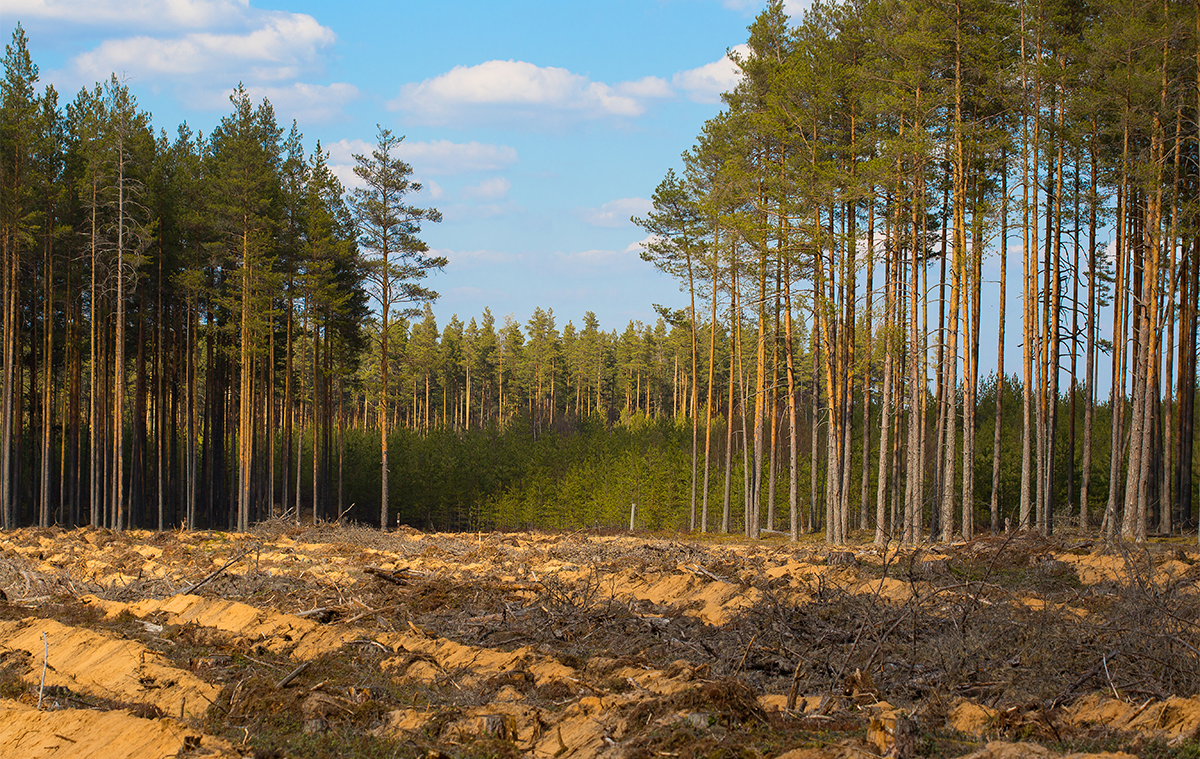
Clear Cutting
This method of tree removal is the most common in the logging industry, and it also focuses on promoting regrowth in a forest. More trees are removed through clear-cutting than through selective cutting, but it isn’t a complete removal of all trees. We can do it through patches, strips, or even by leaving small reserves in an area.
This is an ideal logging method for fast-growing species of trees such as pine and fir. Also, particular tree species regenerate best after a clear-cut. They thrive in the direct sunlight that reaches the forest floor after the tree removal, which means a new forest can grow in a short time.
This is an efficient way to remove trees. It allows large machinery to move quickly through an area because a larger selection of trees is being removed in a project. As a company that practices this method, we try to prevent common negative results, such as soil erosion and habitat loss, by creating ground coverage with stumps and some logs.
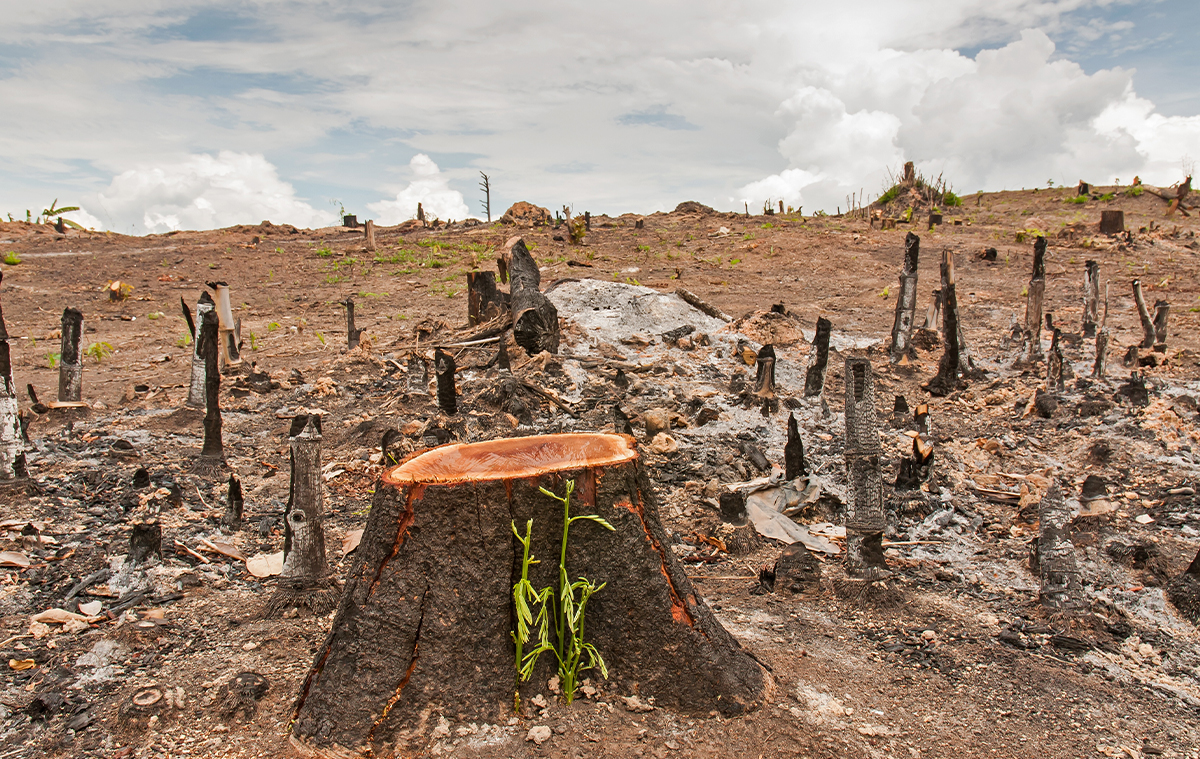
Land Clearing/Deforestation
Land clearing is the complete removal of a forest to make room for buildings or other developments. While it is the least expensive and quickest option, we do not use this method. It is not healthy for forest floors, growth, or wildlife. It is not a sustainable way to harvest trees for the future.
Experience the difference
Boost Your Land's Health and Earnings
Tree Removal Done The Right Way
Healthier Forests
What makes selective and clear cutting healthy for trees is the growth aid and disaster prevention. When we leave young trees behind, it lowers the risk of pathogens and diseases, and more sunlight can reach younger trees to help the growth rate. If done properly, these logging methods improve forests by:
- Regenerating species that do not tolerate shade
- Supplying timber for industries and individuals across the US
- Cutting more trees at once to decrease initial soil disturbance caused by logging machinery
- Reducing the risks of wind damage to shallow-rooted trees
How long does it take for a forest to regrow after clear cutting?
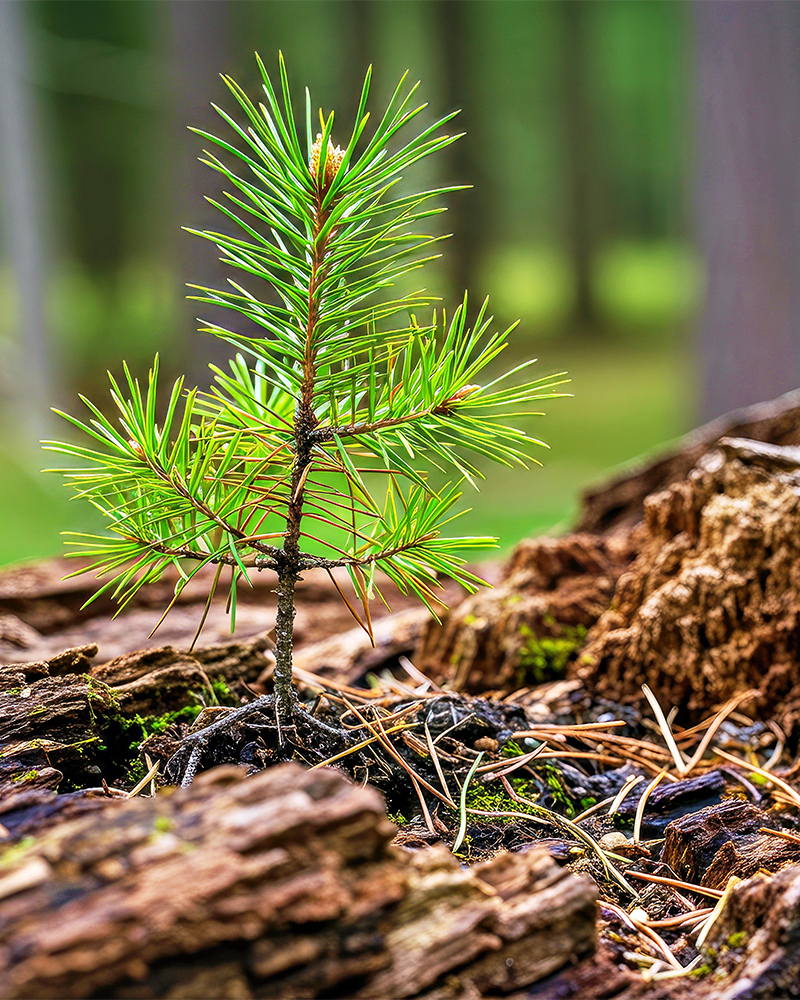
New saplings typically appear after five years and grow about ten feet tall by the age of fifteen. After clear-cutting, the number of trees can triple or more. As an example, one hundred mature trees can typically be replaced with 300 offspring because there is less competition among the species in the beginning. That means a forest can fully regenerate in as little as 30 years.

How is wildlife affected by logging?
Although the process of thinning out a forest sometimes drives out some wildlife, the goal is to create a healthy environment they can return to. Small animals tend to be the least affected as their are enough shrubs, stumps, and other plants on the forest floor for them to use for shelter and finding food.
As for larger animals, such as deer, it is good for these species to move onto another area while the new forest grows. These herbivores would overconsume the new growth and stunt the regenerated forest by chasing out other wildlife populations.
Trusted By Ohio Landowners
Timber is a Necessary Resource in the US
In the United States, we use timber for everything from construction to manufacturing, and even shipping. It’s necessary to make paper, wood a fuel for stoves and fireplaces, a beautiful material for furniture, and, if harvested properly, it can continue to be used as an amazing resource for years to come.
When we harvest trees, we want to do what makes the most financial and environmental sense. We pay landowners for the trees we harvest and then send the harvested timber to companies who will make the most out of the resource.
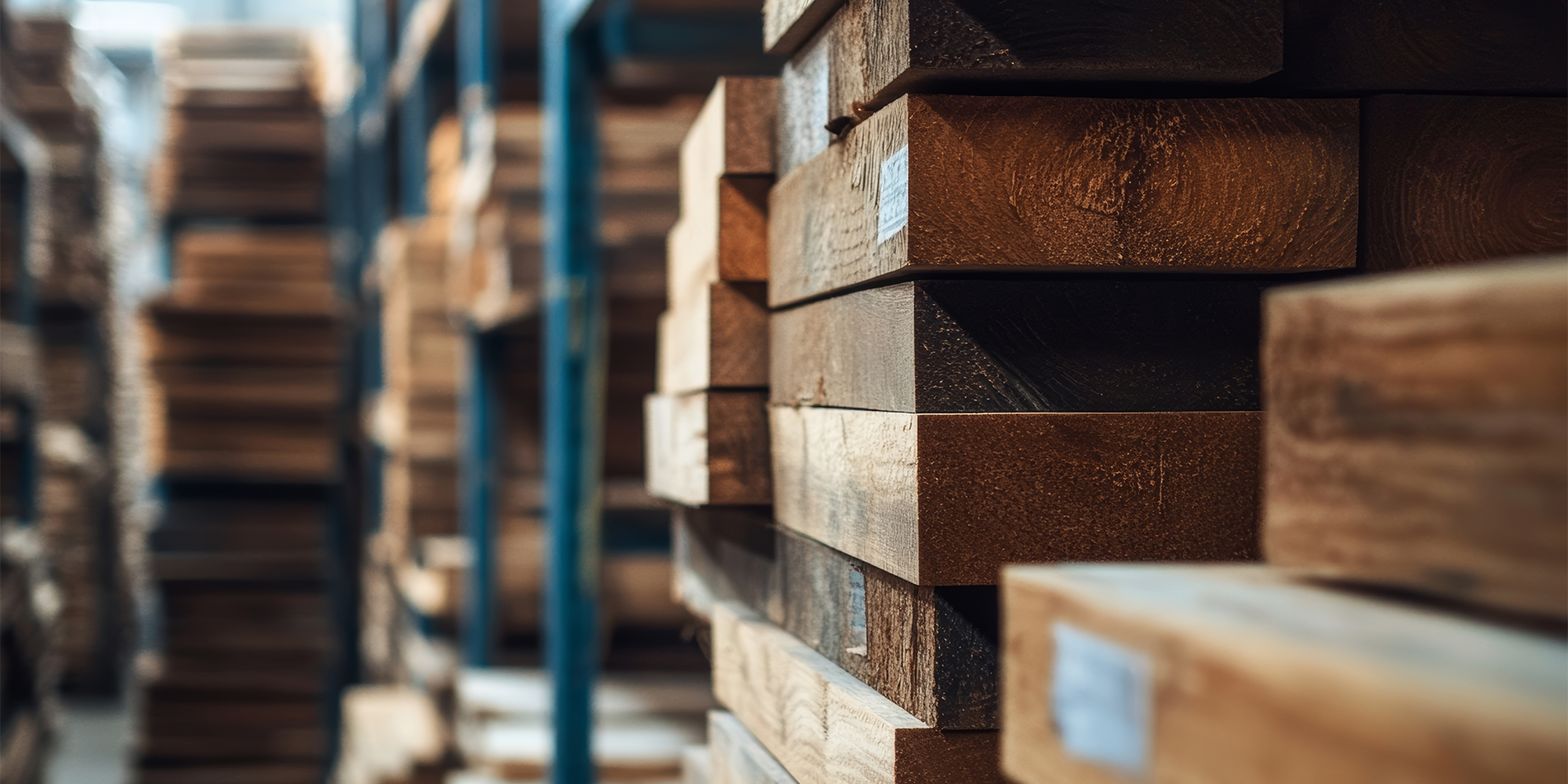
Selective vs. Clearcutting: What’s Best for Your Woodland?
Curious about the difference between selective logging and clearcutting? Learn how each method works, the benefits, and how AJ Logging uses both responsibly to keep Ohio’s forests thriving.
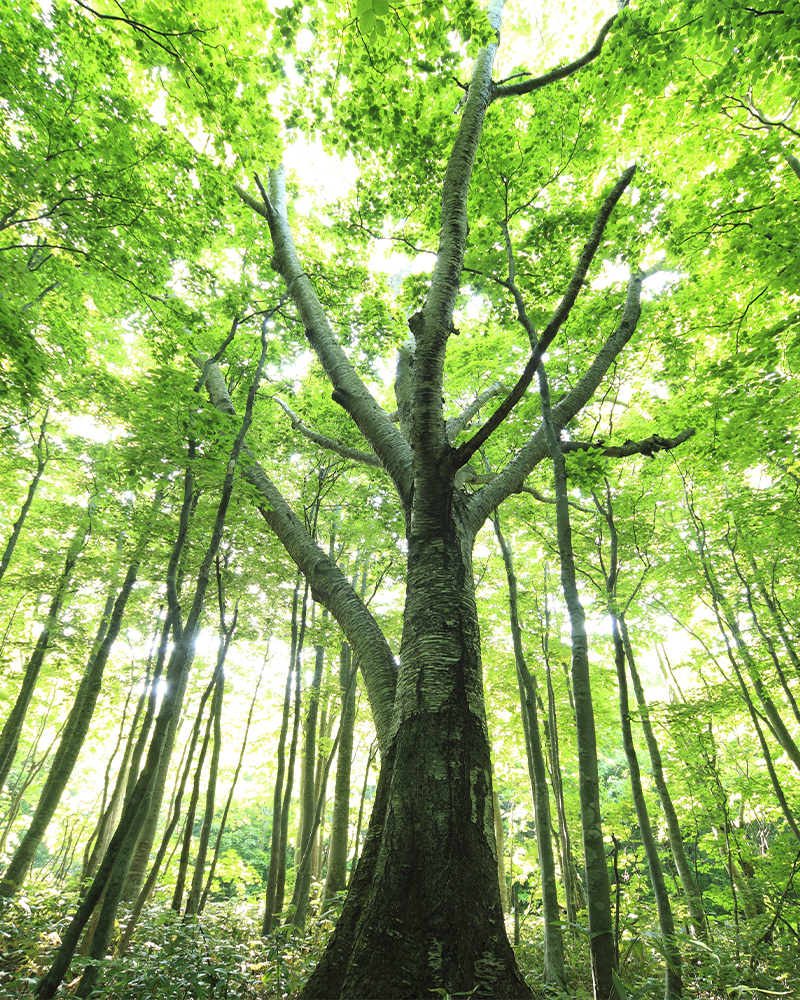
Why mature trees are a better source of timber
Mature trees hold a higher value in price and product value. Removing a portion of these trees also aids the health of a forest. When we harvest a mature tree, more of the tree can be used for various industries and products. Meanwhile, a young tree doesn’t have enough density and diameter to be used for large sheets of wood that are necessary for the furniture industry and other manufacturers.
When a tree is harvested, it is typically used in three different ways:
- The thickest and tallest portion of the trunk is often used for sawlogs, veneer logs, and other lumber products. This the materials used by furniture makers and for other building products
- The next section up the tree, often ¾ of the way up the tree, can be used for pulp and paper products like cardboard and for fuels like wood fuel pellets.
- The very top of the tree is often left behind to benefit the forest. This “crown” is referred to as harvest slash. It is left on the forest floor to prevent erosion, nourish the soil and provide habitat for wildlife.
Get Paid For Your Trees
Depending on the kind of tree removal you need, we may be interested in purchasing your timber. While we don’t purchase with every job, we do offer competitive pricing for quality trees. We assess value based on species, size, quantity, and current market rates.
Want to find out if you qualify? Typically, we are looking for 50+ trees and we’ll consider buying them. Give us a call or fill out our form and we’ll give you a free quote.

Helpful Answers for Landowners
Frequently Asked Questions
Learn more about forestry management, timber harvesting, tree removal, and how we help Ohio landowners make informed decisions about their wooded property.
How many acres do I need for forestry management or timber harvesting?
We typically work with properties that have 10 acres or more of wooded land. Smaller parcels may still be considered if they have high-quality timber, but 10+ wooded acres is usually where a forestry evaluation starts to make sense.
Do you buy one or two trees from homeowners?
Usually, no. Removing one or two trees generally does not work as a timber purchase because of the cost of moving logging equipment and crews. If a tree is near a house, building, driveway, or power line, it is usually handled as a tree service job, which means there is typically a removal cost.
What should I do if I have fewer than 10 trees I want removed?
For smaller tree removal requests, we may ask for photos of the trees, the surrounding area, and access points before discussing the project. This helps us determine whether the job is practical for our crews.
What is forestry management?
Forestry management is the process of evaluating a wooded property, identifying which trees should be harvested, which should be left, and how to improve the long-term health and value of the woods. We walk the property with landowners and help them make informed decisions about harvesting, growth, habitat, and future timber value.
How often should my woods be evaluated?
A wooded property should generally be reevaluated about every 5 years. Even if a full harvest is not needed, trees can become unhealthy, overmature, damaged, or ready for selective cutting within that time.
When is timber ready to harvest?
Many woods are worth evaluating if they have not been harvested in 15 to 20 years. We look at tree size, health, species, market value, and long-term growth potential before recommending whether harvesting makes sense.
Will you help me decide what trees to cut and what trees to leave?
Yes. We help landowners understand which trees may be ready for harvest, which lower-value or unhealthy trees may be limiting growth, and which trees should remain to support the long-term value of the woods.
Do you pay for lower-grade timber?
Yes, in many cases. We have markets for both high-quality furniture-grade timber and some lower-grade species. Removing lower-value trees can also improve growing conditions for better trees over time.
Do you work with hunting properties?
Yes. We work with landowners and deer hunters who want to improve habitat, create trails, add food plots, or shape a property for hunting use. These projects may involve heavier cutting than traditional forestry management, depending on the landowner’s goals.
Can timber harvesting improve deer habitat?
Yes. Selective or heavier harvesting can create more sunlight, cover, trails, and food plot opportunities. We discuss the tradeoffs with landowners so they understand how habitat goals may differ from long-term timber management goals.
Is forestry management a one-time service?
It depends on your needs. Some landowners work with us once for a harvest or hunting-property project. Others stay in touch with us over many years and call back when the woods are ready to be reevaluated.
Can I visit the mill or see the process?
Visits may be available by appointment only. Because our mill has active equipment and safety concerns, it is not open for walk-ins. Some landowners may be able to see parts of the process after their logs arrive at our yard.
Do you have a public office or showroom?
We have an office at the mill, but visits should be scheduled by appointment. For everyone’s safety, we ask that visitors contact us before coming to the property.
What areas do you serve?
We serve landowners throughout our Ohio service area. Contact us with your property location, and we can let you know whether your land is within the areas we currently serve.
What information should I provide when requesting a quote?
For the best response, please include your property location, approximate wooded acreage, number of trees involved if it is a smaller project, photos if you have fewer than 10 trees, your goals for the property, and any access concerns for equipment.
Helpful goals to mention include timber sale, woods improvement, deer habitat, trails, food plots, or tree removal.
How many acres do you manage?
We manage 2,000+ acres.
Just Ask Our Clients
Our Service Area
We service the entire state of Ohio. Some of the cities we frequently serve include: Marietta, Mansfield, Zanesville, Medina, Cuyahoga Falls, North Royalton, Wooster, Millersburg, Canton, New Philadelphia, and surrounding areas.
Our Service Area
We service the entire state of Ohio. Some of the cities we frequently serve include: Marietta, Mansfield, Zanesville, Medina, Cuyahoga Falls, North Royalton, Wooster, Millersburg, Canton, New Philadelphia, and surrounding areas.

Your Trusted Forestry Management
Phone: 330-390-2094
Based in Holmesville, Ohio